The Interim Reparative Measures (IRM) Project, funded by the Global Survivors Fund and jointly implemented by Nadia's Initiative and Mission East, centres on providing access to both individual and collective interim reparative measures. These projects are co-created with survivors, who exercise full autonomy in shaping the design, implementation, monitoring and evaluation processes.
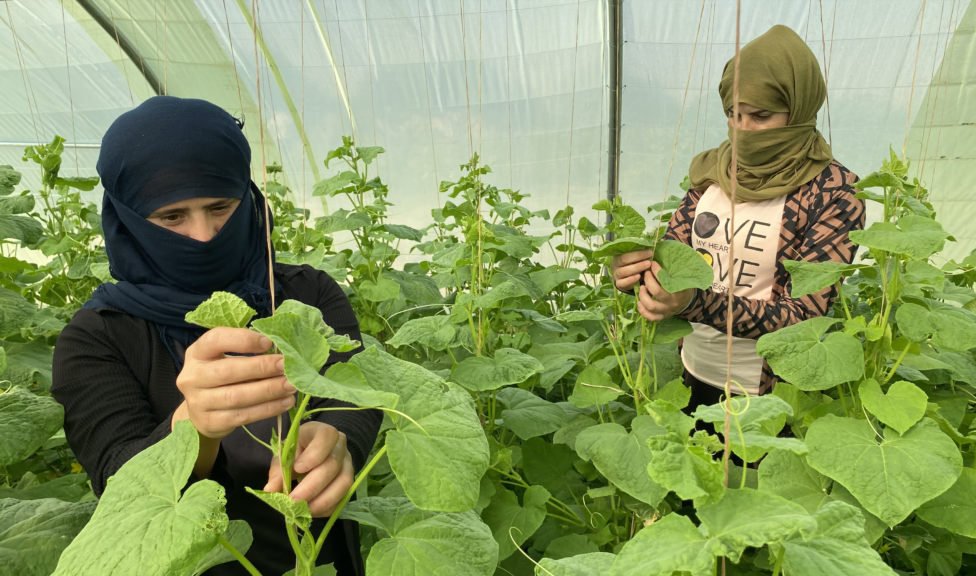
The Woman's Sustainable Farming project rebuilds farming households by empowering women to restart cultivating their land. Nadia's Initiative has designed, developed, and implemented the project. The project's broader effect is its revitalising nature to the Sinjar agricultural industry. The project's broader effect is its revitalising nature to the Sinjar agricultural industry. This is done through the reclaiming of land, which allows farmers to build a foundation for the local economy to reverse some effects from the genocide committed against the Yazidis.
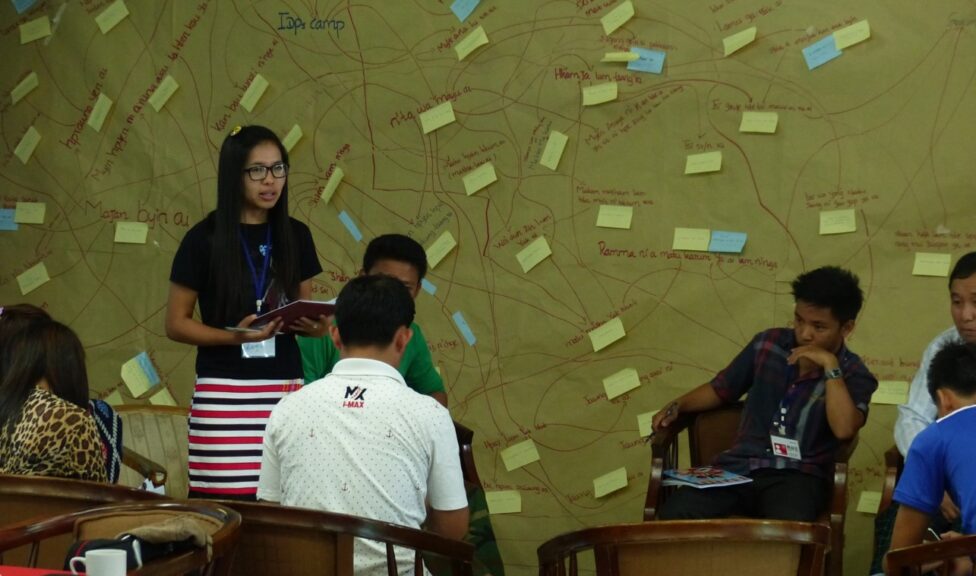
The Kachin Peace Program concentrates on conflict-impacted and hard-to-reach areas in the north of Burma/Myanmar. The program engages in research, design, and execution of peacebuilding actions. It employs systemic action research that first gathers data in the form of life stories from conflict-affected individuals. It then utilises systems mapping, whereby local participants analyse these narratives to identify appropriate peacebuilding, human rights, developmental, and humanitarian measures. These initiatives are then implemented using an action research approach, with intentional networking strategies to scale up and sustain impacts over time. Adapt Peacebuilding, a non-profit organisation, implements this project.
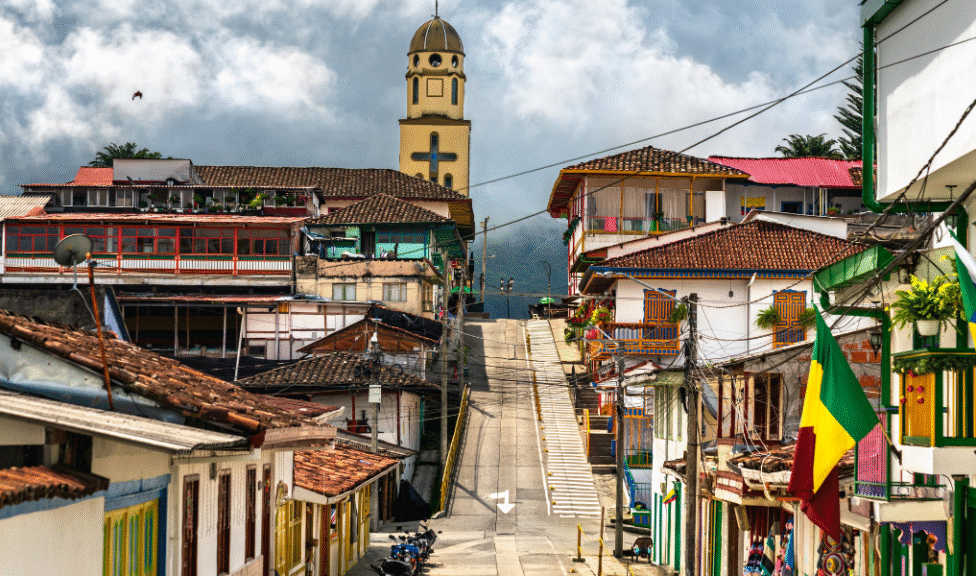
The Co-inspira program in Colombia focuses on public participation in building peace in conflict-affected territories. It unites local communities, government actors, and social leaders to work together to develop and implement peacebuilding initiatives tailored to the area’s needs. The program is focused on collaborative efforts for sustainable peacebuilding initiatives in Cauca.
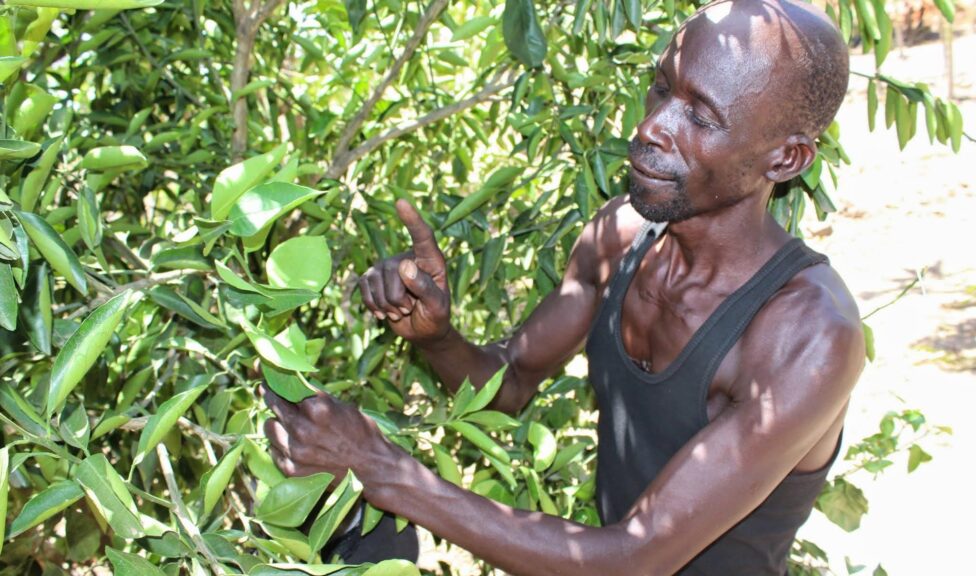
The Climate Vulnerability and Capacity Analysis (CVCA) is an approach developed by CARE to assess community-level vulnerabilities and capacities to climate change. It draws on climate information from both scientific and traditional knowledge sources. Through collecting and analysing this data, CVCA catalyses the identification of necessary actions at the community level to enhance resilience in the face of climate change.
We use traffic log cookies to identify which pages are being used on our website (www.globalresiliencepartnership.org). Cookies help us provide you with a better website, by enabling us to monitor which pages you find useful and which you do not. A cookie in no way gives us access to your computer or any information about you, other than the data you choose to share with us.