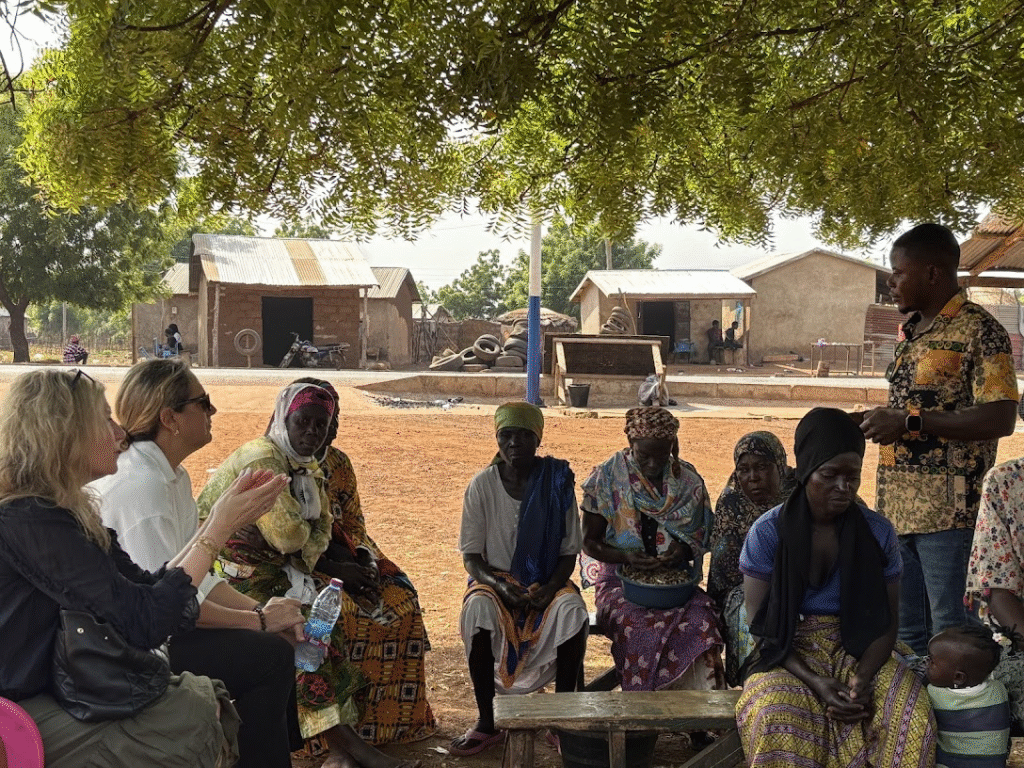
For millions of women across northern Ghana, shea trees are a vital source of livelihood, yet many lack formal rights to the trees they have long protected. As land pressure grows and policy gaps persist, both women and shea trees remain increasingly susceptible to shocks and stresses.
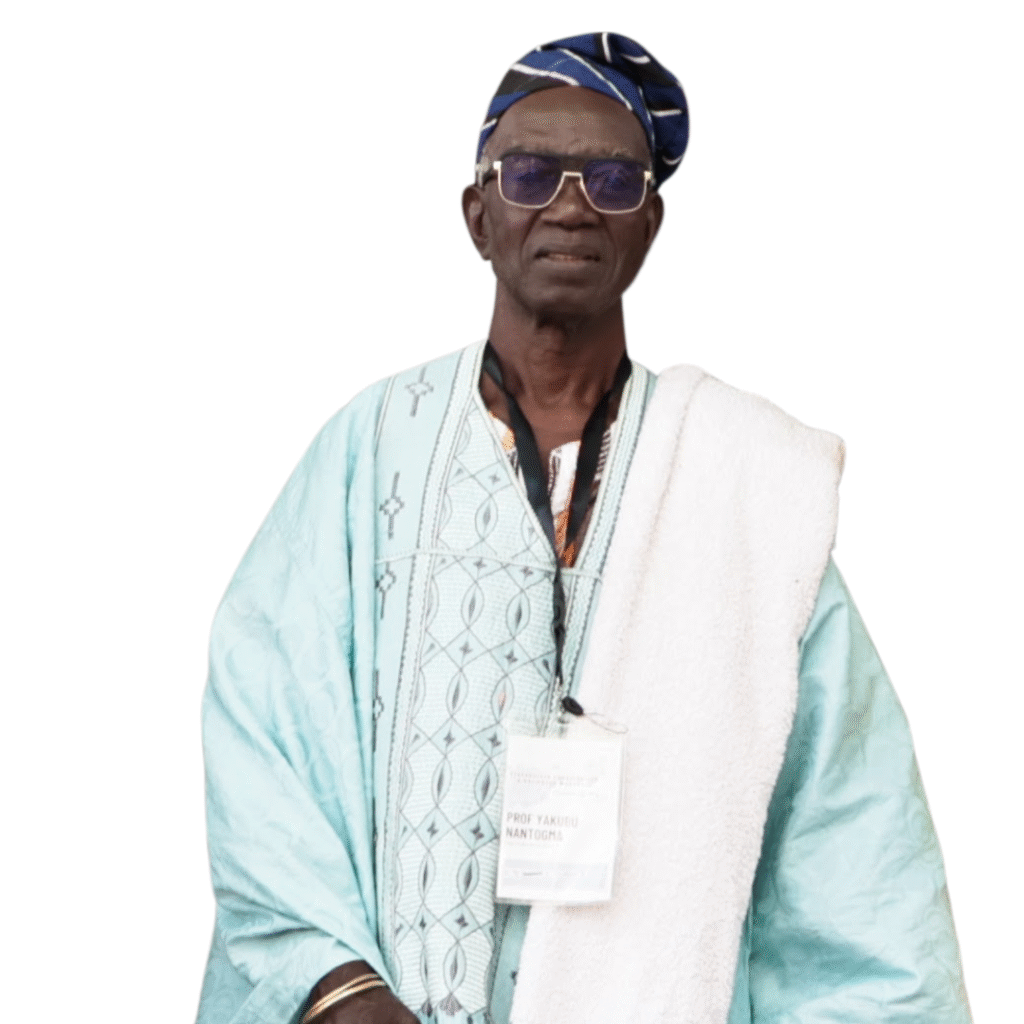
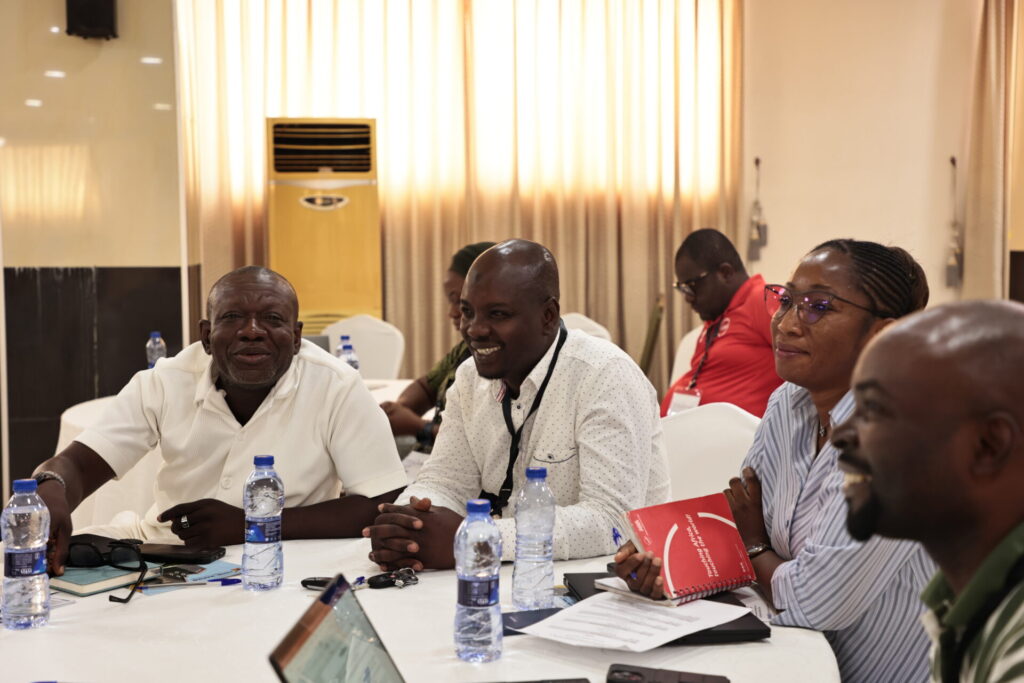
Against this backdrop, nearly 100 stakeholders convened in Tamale in December for a workshop on ‘Enhancing women’s land tenure through shea tree mapping’, bringing together government, private sector, women’s shea co-operatives and traditional leaders. Spanning Ghana, Togo and Benin, the pilot aims to geo-map 90,000 shea trees across 2,000 hectares, linking them to 9,000 women processors while advancing policy dialogue. During the discussions, Chief Prof Yakubu, a respected traditional leader of the Zugu Traditional Area and custodian of communal lands, delivered a sobering warning: the shea tree itself is under threat.
Global Shea Alliance
‘’For generations, shea trees have stood quietly across our landscapes, feeding families, sustaining women and supporting a global industry worth billions of dollars. Yet, despite their value, shea trees have remained largely neglected in decision making, policy frameworks and investment priorities. We talk about cocoa, we talk about timber,” he reflected, “but shea, this tree that has kept our mothers and grandmothers alive has been left behind.”
Across West Africa, up to 16 million rural women depend on shea for their livelihoods. They are the primary custodians of the parklands, harvesting fruits, processing kernels and producing shea butter that travels from rural communities to international markets. And yet, as Chief Prof Yakubu emphasised, these same women often have no formal rights to the land or trees they depend on. Their work sustains households and economies, but their ownership remains invisible.
He spoke candidly about how this invisibility has consequences. Without secure tenure, women cannot plan for the long term. They cannot invest confidently in better processing equipment, storage facilities, or tree regeneration. And as climate change, deforestation and land conversion intensify, the very parklands that support millions of families are under growing threat. “This is not just an environmental issue,” he said. “It is an issue of justice.”
Global Shea Alliance
Chief Prof Yakubu welcomed the Enhancing Women’s Land Tenure through Shea Tree Mapping project and its digital shea tree dashboard as a timely and necessary innovation that finally treats shea as more than a natural occurrence. By digitally mapping more than 18,000 shea trees, across thousands of hectares and linking them to over 3,500 Ghanaian women processors, the project brings long-overdue visibility and evidence to a sector that has long operated in the shadows. It creates the foundation for informed policymaking, stronger land use planning and legal reforms that recognise women’s rights to the trees they nurture.
But his message went beyond praise. It was a call to action. He challenged traditional leaders, government institutions and partners to rethink how shea is valued not just culturally, but economically and politically. If women are the backbone of the shea value chain, then systems must be built to protect their access, secure their tenure and unlock growth opportunities. “Development will not come from reports alone,” he cautioned. “It will come when we use this evidence to change laws, influence policy and protect what truly belongs to our people.” Shea can no longer be treated as an afterthought. It is central to rural livelihoods, women’s empowerment, climate action and regional trade.
The Enhancing Women’s Land Tenure through Shea Tree Mapping project, launched in September 2025 by Global Shea Alliance in partnership with Farmerline, New Markets Lab, Land Facility and Level4International aims to strengthen women’s land and tree rights in Ghana, Togo and Benin. Funded by the UK FCDO, it digitally maps shea trees in parklands, links land tenure data to individual women collectors and conducts legal gap analyses. The initiative supports over 16 million women in the shea value chain by producing an open access Shea Tree Tenure Dashboard and a Regional Scale-Up Roadmap to enhance policy alignment, climate-smart trade and economic resilience.
About the Global Shea Alliance
The Global Shea Alliance (GSA) promotes industry sustainability, quality practices and standards, and demand for shea in food and cosmetics. GSA is a non-profit, multi-stakeholder platform with 560 members from 35 countries representing all shea stakeholder ground including women’s groups, supporters, international oils and fat suppliers, and leading food and cosmetic brands. Through public private partnerships, GSA promotes industry sustainability, quality practices and standards, and demand for shea in food and cosmetic products.