Lead organisation: Manila Housing SEWA Trust
Local partners
- HomeNet South Asia
- Centre for Environment Education
- Indian Institute of Public Health (Gandhinagar)
- SELCO Solar Light Pvt Ltd
- Urban Management Centre
- Development Alternatives
- Vandemataram Projects Private Limited
International partners
- Freie Universistat Berlin,
- Georgia Institute of Technology
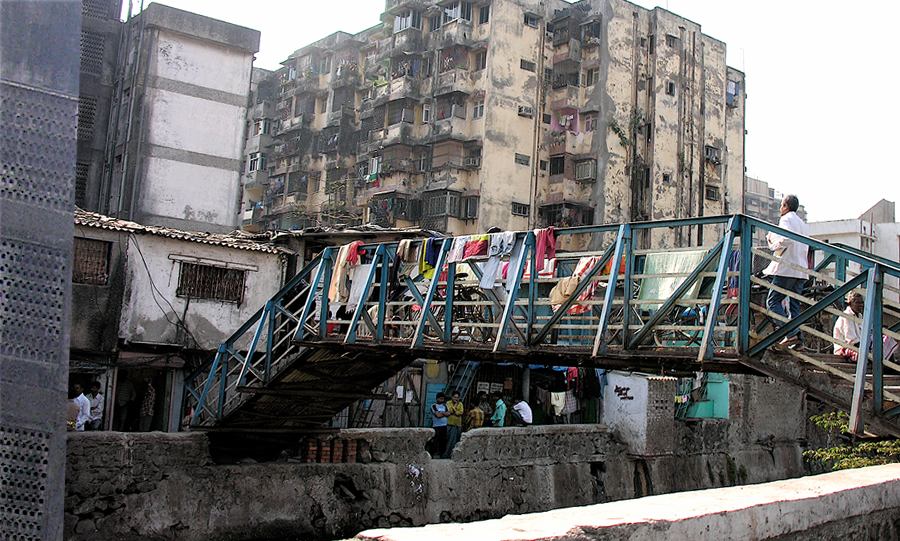
Mahila Housing SEWA Trust received funding to empower women from slums in seven South Asian cities to take action against the most pressing climate-related risks facing their communities: heat waves, flooding, water scarcity; and water and vector borne diseases. Through the improved availability of real-time micro data, the team could equip the urban poor with the tools and know-how to undertake vulnerability and risk assessments and implement their own resilience plans. Utilizing a network of woman advocates, they could empower these communities to influence city planning so that their cities adopt adaptation and resilience actions that reflect a pro-poor agenda. Click here to download the solution statement.
Key Achievements:
- MHT’s scaling achievements included support to 135 539 people, bringing the total number of people supported to 270,000.
- MHT provided training and support to 102 women to become entrepreneurs of renewable energy products.
- Over 35,000 people adopted risk-reducing technologies.
- MHT fostered multi-stakeholder partnerships in 7 cities, and influenced local and national government initiatives.
- Stakeholder engagement and policy support resulted in shifts in perceptions on gender roles.
- Mahila was recognized as a key stakeholder in the 2017 Ahmedabad city-level Heat Action Plan and won the Delhi Urban Labs Challenge to replicate efforts on heat resilience in Delhi.