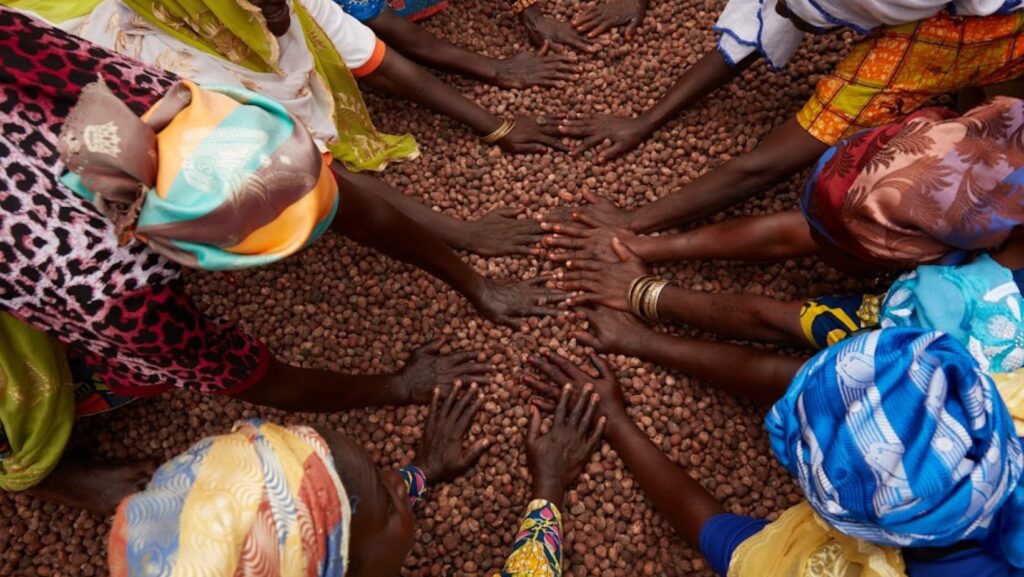
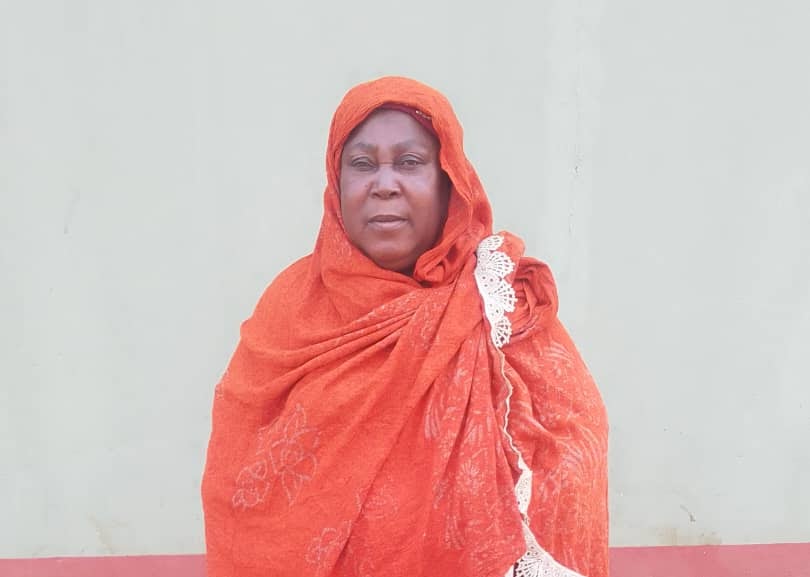
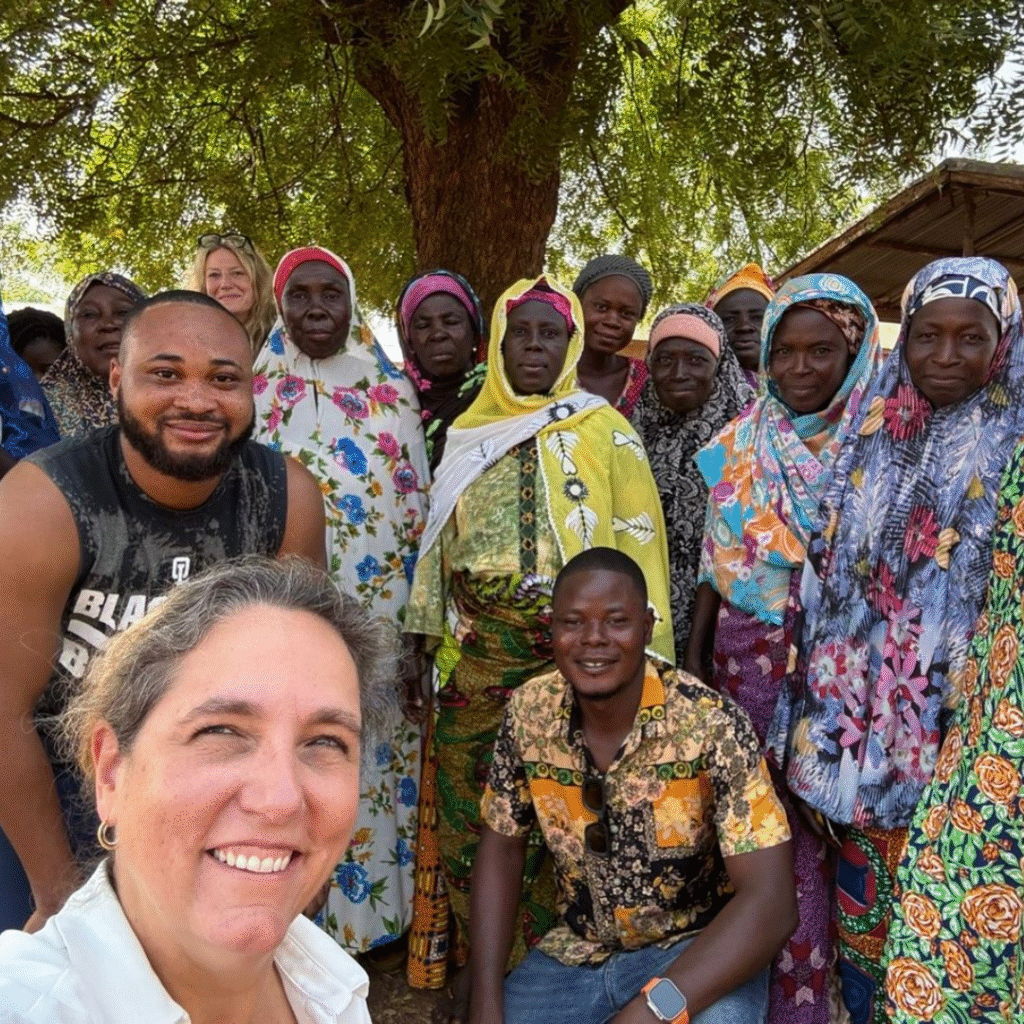
Adisah Zakaria, a member of the Teihitong Co-operative in northern Ghana, has spent years managing her land with care, balancing food crop production with shea production and collection during the season from May to August. The shea trees provide a vital source of income, while crops such as maize and legumes support household food needs and help cushion the family when shea harvests are low. It is a system she understands well, one she has relied on for years.
Global Shea Alliance
But Adisah is also keenly aware of its limits.
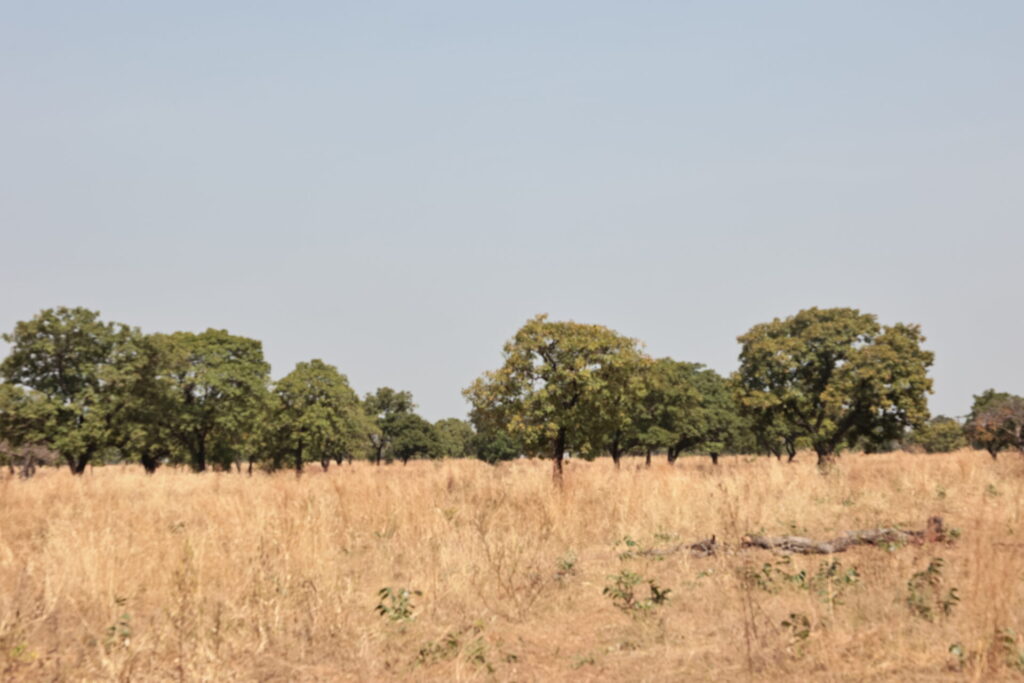
Many productive shea trees now lie farther into the parklands, as years of increased burning and land clearing have reduced access to trees closer to home. As a result, women producers are pushed deeper into more remote areas, increasing the time, cost and physical burden of collection. These longer distances directly constrain how much women can gather during the season and raise post-harvest losses.
Within this context, access to appropriate financial services is crucial to these operational constraints. Through these financial services, productive equipment such as motorised tricycles can be financed to support the transport of shea kernels from distant collection areas. Improved transport increases collection capacity, reduces loss and significantly cuts travel time. It also makes aggregation possible, where kernels can be purchased from other women producers and brought together for sale in larger volumes and at higher value, improving market access and income opportunities for women producers.
Global Shea Alliance
Adisah’s experience reflects a broader reality across shea-producing communities: women understand where the opportunities lie, but access to finance and productive assets often determines how far they can go.
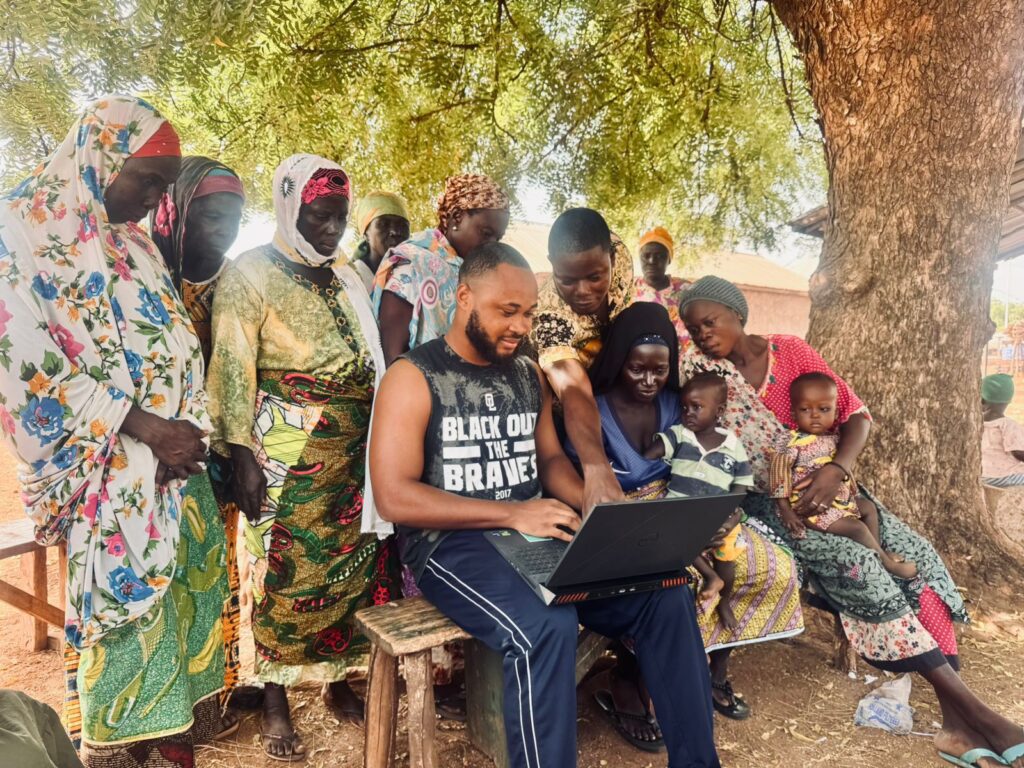
For Adisah, one of the most striking moments in the project came when she saw a digital image of herself and her shea trees displayed on a screen. For the first time, her work, her land and the trees she has cared for were not only recognised within the community, but they were visible in structured data.
The mapping process involves visiting the shea parklands, recording the location of individual shea trees and linking them directly to the women who collect from them. Each tree is geo-tagged by linking the tree to a specific spot on a map, alongside details of the women producers as well as information on how the land is used and managed. What exists on the ground is reflected digitally, creating a clear and verifiable picture of who is doing the work and where value is generated.
Global Shea Alliance
For the Teihitong Co-operative, this visibility is critical. When shea trees and producers are mapped, their activities are no longer informal or invisible. The Co-operative can demonstrate how many women are involved, how many trees they manage and the scale of their production potential. As Adisah explained, access to finance has long been a challenge not because women lack ideas or capacity, but because they lack proof.
Mapping changes that. It provides evidence of assets on the ground. This opens the door to more meaningful conversations about finance whether for transport, equipment, storage or expansion by reducing risk and increasing confidence among financial service providers.
Beyond finance, mapping also brings legitimacy. Digital visibility places women’s co-operatives within a wider system that includes policymakers, investors, traditional communities and regional actors. It strengthens their collective voice, supports better planning and helps protect shea parklands by clearly showing who depends on them and how they are managed.
Global Shea Alliance
The technology does not replace women’s knowledge of the land: it reflects it. It makes visible what women have always known and done. In doing so, it creates a pathway for co-operatives like Adisah’s to move from small, informal operations to recognised and supported enterprises ready to grow, invest and plan for the future.
Enhancing Women’s Land Tenure through Shea Tree Mapping project is delivered through a partnership between Global Shea Alliance, Farmerline, New Markets Lab and Level4International with funding from the UK Foreign, Commonwealth and Development Office (FCDO) under its flagship Land Facility programme. To date, more than 16,000 shea trees have been digitally recorded across Ghana, Togo and Benin, directly connected to over 3,500 women producers.
About the Global Shea Alliance
The Global Shea Alliance (GSA) promotes industry sustainability, quality practices and standards, and demand for shea in food and cosmetics. GSA is a non-profit, multi-stakeholder platform with 560 members from 35 countries representing all shea stakeholder ground including women’s groups, supporters, international oils and fat suppliers, and leading food and cosmetic brands. Through public private partnerships, GSA promotes industry sustainability, quality practices and standards, and demand for shea in food and cosmetic products.