A landscape on the edge
“We don’t have a road here, and therefore, no sources of income. The men from our village move away to cities and towns for earning an income” says Poonam Devi from Paana village in Chamoli. “Even if someone falls ill we have to take them on foot for 12 km before we can find transport to the nearest hospital,” adds Shankar Singh, the village headman. For people in Shankar Singh’s village, and other villages in Chamoli district, climate resilience is not a term debated in climate negotiations, but part of their daily struggle to survive.
High in the middle Himalayas of Uttarakhand, farming communities face an increasingly fragile reality. Erratic monsoons, shallow soils, landslide risks, and shrinking livelihood options have made conventional agriculture unreliable. Large stretches of land lie rocky and underutilised, offering little economic return while remaining susceptible to shocks and stresses.
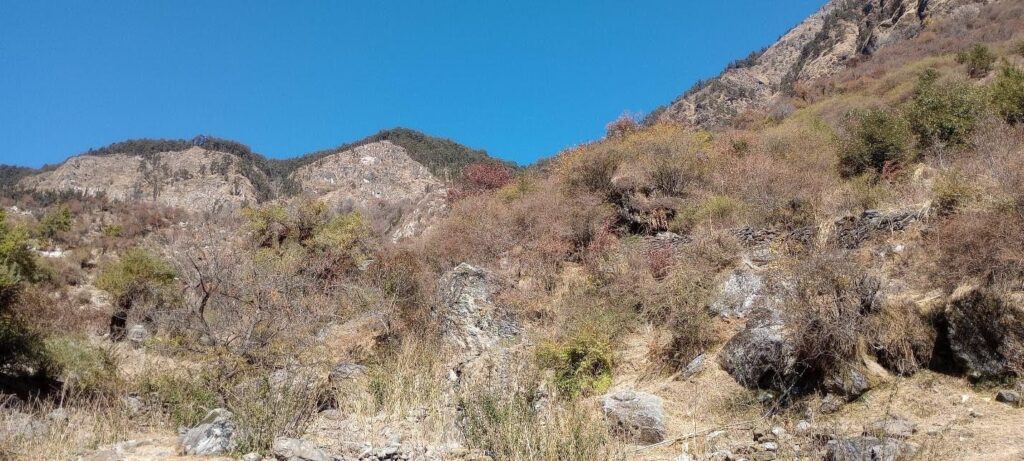
Himalayan grass, began its journey. This did not begin as a conventional crop project, but as a resilience experiment linking land regeneration, women’s livelihoods, and climate-positive textiles. Supported through the HKH Innovation Challange for Entrepreneurs and the learning ecosystem of GRP and ICIMOD, the pilot demonstrates how innovation can emerge from the margins of fragile mountain systems.
Turning degraded land into opportunity
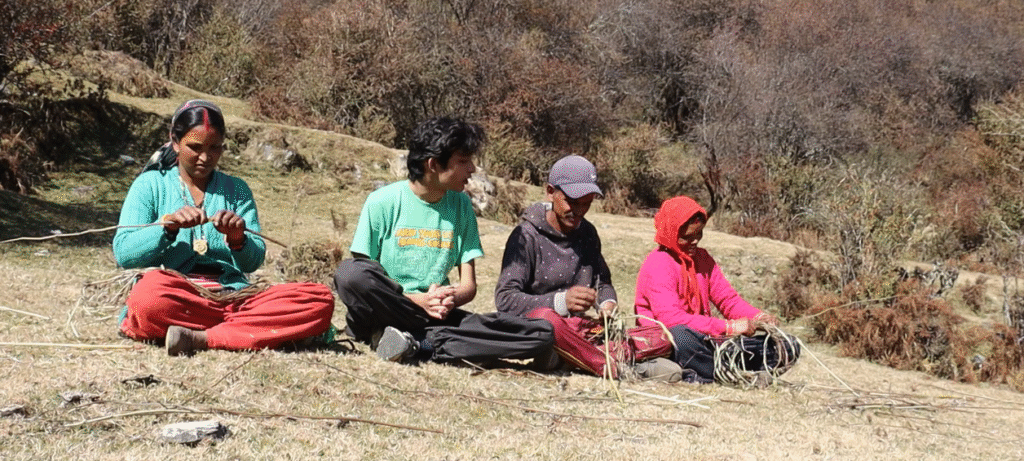
“We used to make ropes, footwear for snow, and other such items with this grass before plastic became rampant. We have planted it again for an income” says Poonam devi from Paana village in Chamoli district.
Poonam devi has been part of the first pilots of HimGra®. The initial plots in Chamoli were characterised by rocky terrain and uneven soil structure. Field preparation required a significant community effort to remove stones and stabilise planting areas. While this slowed early timelines, it created a powerful test case: could HimGra® establish itself where traditional crops struggle?
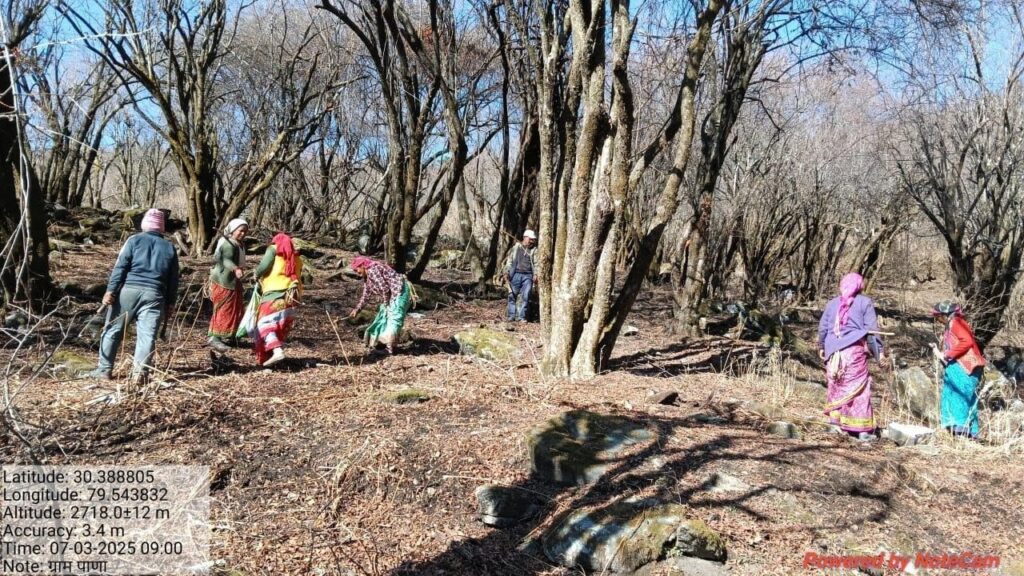
Within months, the transformation became visible. Previously barren plots turned green with dense grass growth, confirming HimGra®’s ability to thrive on rainfed, degraded land without fertilisers or irrigation. The grass’s deep root system began binding soil naturally, offering ecological value alongside fibre potential.
Women-led Self-Help Groups (SHGs), supported by Dev UK (Uttarakhand) Foundation,the non-profit arm of the Dev Sustainable Crafts and Textiles Uttarakhand ( DESCATUK), became the backbone of field implementation,managing land preparation, seed sowing, and early-stage maintenance. For many participants like Poonam devi, this was their first exposure to a climate-resilient livelihood linked directly to global markets.
From marginal land to meaningful livelihoods
In Chamoli, a women-led SHG prepared rocky plots that had remained unproductive for years. With basic tools and collective effort, the group cleared stones, sowed HimGra® seeds, and adopted low-input maintenance practices. Within one season, the plots showed visible green cover and stronger soil binding, reducing erosion risk on the slope.
Building resilience where it matters most
The pilot’s impact extends beyond fiber yield.
- Environmental resilience: HimGra® stabilises soil on degraded slopes, supports biodiversity, and reduces dependency on water and chemical inputs.
- Economic resilience: Women-led SHGs gain diversified income opportunities linked to long-term value chains rather than seasonal volatility.
- Institutional resilience: Local cooperatives, foundations, and government agencies strengthen coordination around regenerative livelihoods.
Most importantly, the project demonstrates that climate resilience can be built through productive land regeneration combined with market connectivity, rather than relying solely on subsidies or short-term interventions.
Learning under real-world conditions
Like most Himalayan field projects, we encountered multiple stresses. Extreme weather during the monsoon season delayed on-the-ground training and monitoring visits. Seasonal livelihood activities, including pilgrimage tourism and forest produce collection, also limited the availability of community members to conduct measurements. In response, the DESCATUK team adopted image-based monitoring, enabling remote documentation of crop health and growth while ensuring project activities continued without significant disruption.
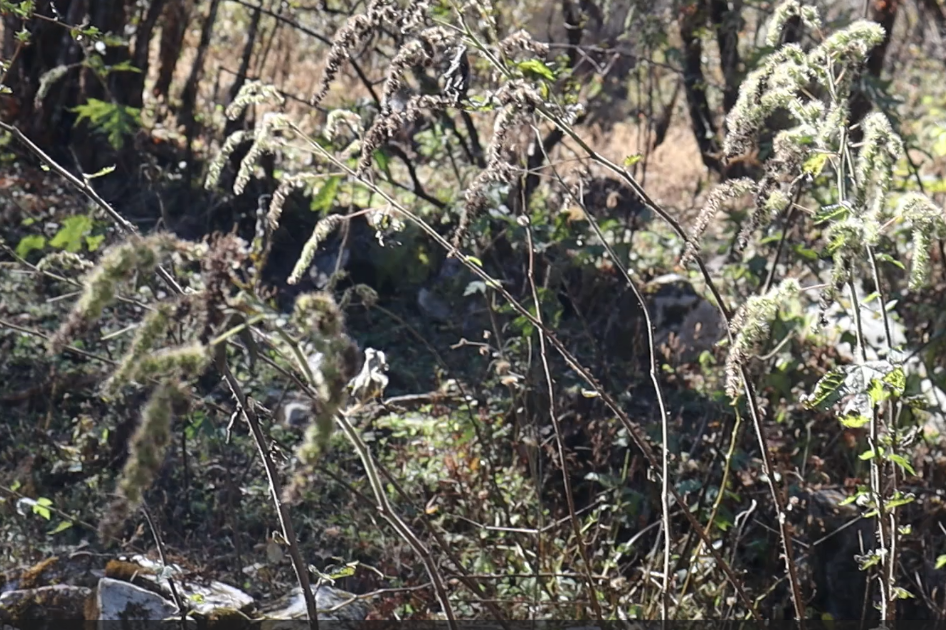
In growing the wildgrass for HimGra®, we learned another important lesson around productivity measurement. Due to uneven plant density on rocky terrains, traditional per-acre yield metrics proved unreliable. We therefore shifted towards seed-to-yield ratios, creating a more accurate and scalable performance indicator for future replication. These adaptations strengthened the project’s operational resilience and reinforced the importance of flexible monitoring systems in fragile geographies.
Independent validation and growing credibility
For the product as well as the raw material, the DESCATUK team also focused on independent validation to create market credibility in a highly competitive textile market. A field validation visit by the Directorate of Industries and Rural Development -Government of Uttarakhand strengthened institutional confidence in HimGra® as a rural innovation model. Subsequently, HimGra® received the Centre for Innovation in Public Systems (CIPS) Innovation Award, recognising its contribution to climate impact, livelihoods, and grassroots innovation.
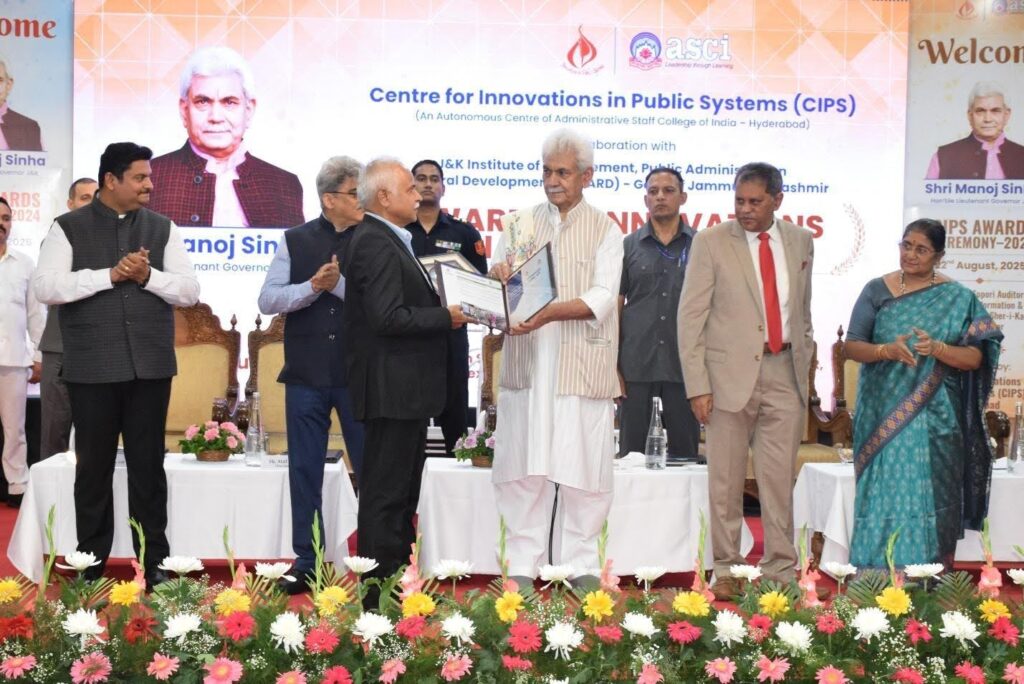
In parallel, Green R initiated an independent impact assessment covering FY 2024–25, focusing on soil regeneration, carbon outcomes, and livelihood indicators. A full impact report is planned for FY 2025–26, creating a robust evidence base for future scaling and investment. These layers of validation enhance trust among policymakers, investors, and global brand partners.
Connecting grassroots innovation to global markets
HimGra® is positioned not merely as an agricultural intervention, but as a premium sustainable fiber for luxury fashion and technical textiles. Partnerships with textile innovators such as Italtex and outreach through young designer platforms, including the ICON design ecosystem, are translating fibre innovation into visible products.
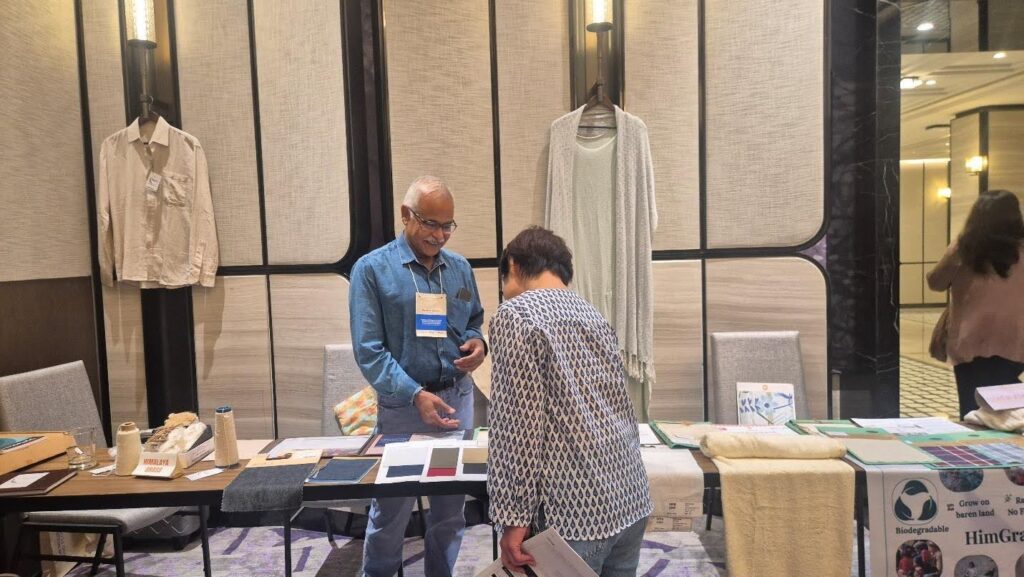
This market pull complements ongoing institutional discussions with IRMA–Iseed REAP and the Rural Development Department of Uttarakhand to explore multi-agency pathways for expanding cultivation once pilot evidence matures. Together, these dual pathways,market-led and policy-enabled, reduce dependency on any single scaling route. This combination of lived experience and third‑party validation strengthens trust among communities, policymakers, and market partners and demonstrates that regenerative livelihoods can be built even in fragile mountain conditions.
HimGra
Going back to Poonam devi’s confidence in HimGra, she says, “earlier this land gave us nothing, now it is green, stable, and gives us confidence that our work can create income and protect the land for our children.”
GRP’s role and the power of ecosystems
GRP’s contribution extended beyond funding. Mentorship through the Leadership Academy, peer learning, communication support, and ecosystem exposure helped HimGra® refine its narrative, clarify scaling pathways, and strengthen partnerships. The structured learning environment encouraged adaptive thinking, transforming operational challenges into strategic learning opportunities.
What comes next
The coming year will focus on:
- Completing Green R’s independent impact assessment
- Deepening brand partnerships through field validation visits
- Advancing certification pathways as testing protocols mature
- Expanding pilot sites for comparative soil and fiber analysis
- Strengthening SHG capacity aligned with seasonal realities
HimGra® continues to evolve as a living example of how regenerative materials, community enterprise, and climate resilience can converge in mountain ecosystems.
Interested in partnerships, research collaboration, or sustainable material sourcing? Connect with the HimGra® – DESCATUK team to explore opportunities.