We’re pleased to announce the six selected grantees of the Resilience Innovation through Scaling Entrepreneurship (RISE) Urban Challenge. The RISE Urban Innovation Challenge aims to transform innovative urban ideas that address resilience needs in informal contexts into sustainable and scalable solutions. Following a rigorous global selection process, 15 promising initiatives were chosen, from which six grantees were selected. These initiatives will continue to receive tailored mentoring and support, guidance to maximise their impact, opportunities to connect with potential funders, and additional assistance to accelerate the transition toward more inclusive and resilient urban systems. This support includes participation in an in-depth Leadership Academy and further opportunities to engage with donors and funders as they build on the progress already made.
Meet the grantees:
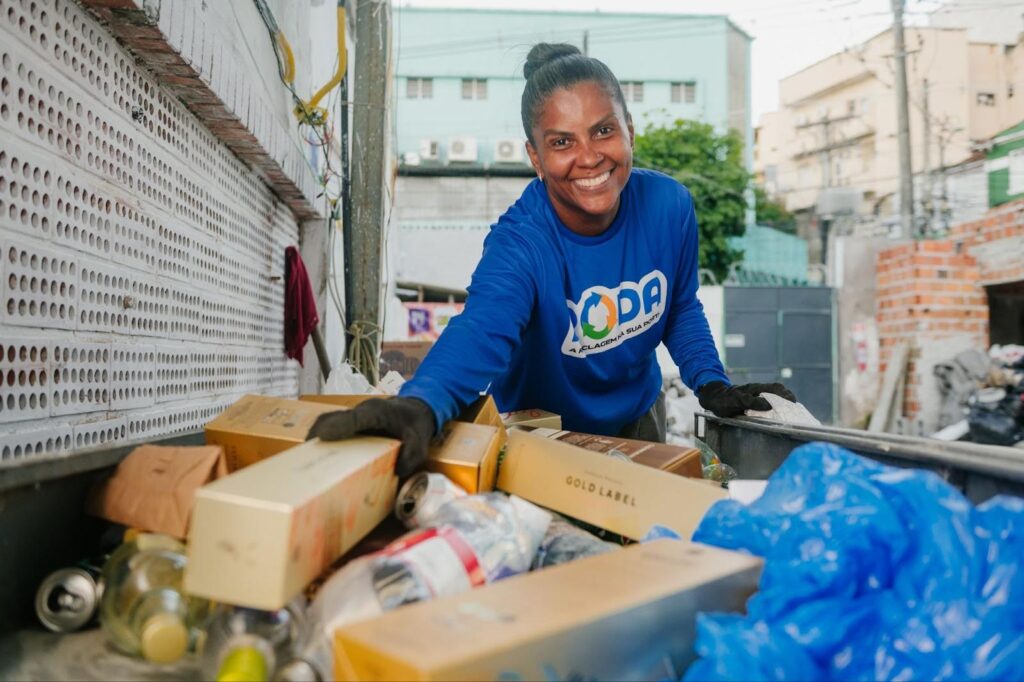
RODA Recycling Delivery: Advancing Social Equity for Waste Pickers
Lead organisation: SOLOS
Country: Brazil
SOLOS
In Brazil, just 4% of waste is recycled, with most recycling done by underpaid, informal waste pickers, many of them women. This project introduces SOLOS’ door-to-door selective waste collection system in Salvador to address this challenge. In partnership with waste pickers, the initiative provides training, low-carbon vehicles, Personal Protective Equipment, and fair pay, while establishing a worker-managed Recycling Center. By formalising recycling, it enhances urban resilience through environmental sustainability, economic empowerment, and collaboration with the city and key partners.
Fanmsaj Resilience: Women-led Innovation for Social Transformation and Urban Adaptation in Displaced Communities of Jérémie, Haiti
Lead organisation: REFKAD – Réseau des Femmes Capables d’Haïti
Country: Haiti
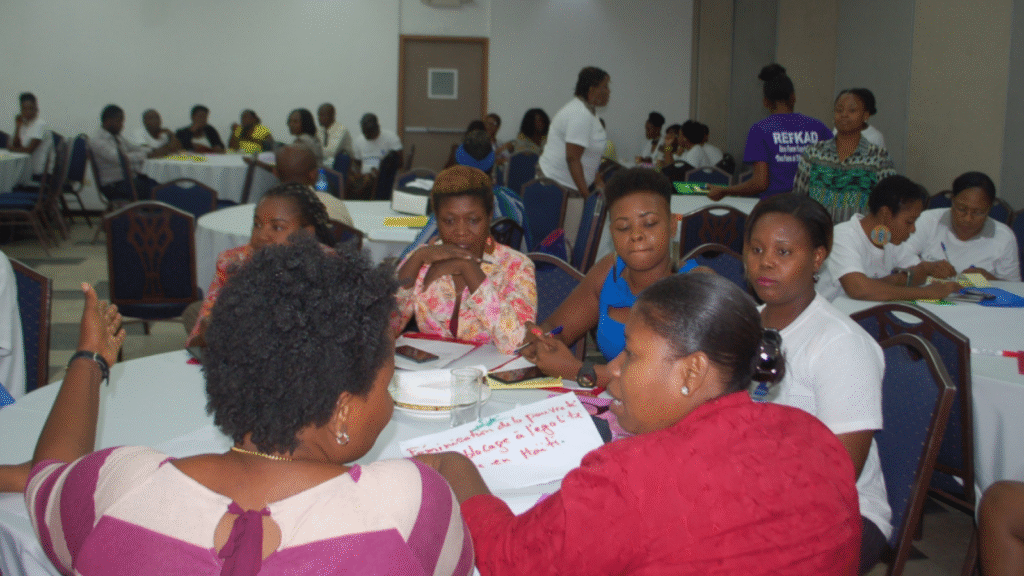
Fanmsaj Resilience is a women-led initiative in Jérémie, Haiti. It aims to empower women and youth in the community through leadership training, climate adaptation workshops, and co-designed micro-projects. The project fosters social cohesion, prevents gender-based violence, and builds resilience using participatory methods and cultural expression. Its locally rooted model promotes community ownership, while possessing the potential to be replicated elsewhere.
Harnessing Equitable Actionable Technologies through Artificial Intelligence (HeatAI)
Lead organisation: Youth Innovation Lab
Country: Nepal
Nepalgunj’s rising heatwaves threaten its inhabitants, especially those in informal settlements. HeatAI, an AI-powered alert system, provides forecasts and localised guidance via mobile and web platforms. Through school-based heat sensors, community outreach, and digital learning on Shikshya.org, the project equips communities with tools, knowledge, and alerts to adapt and prepare for potential shocks.
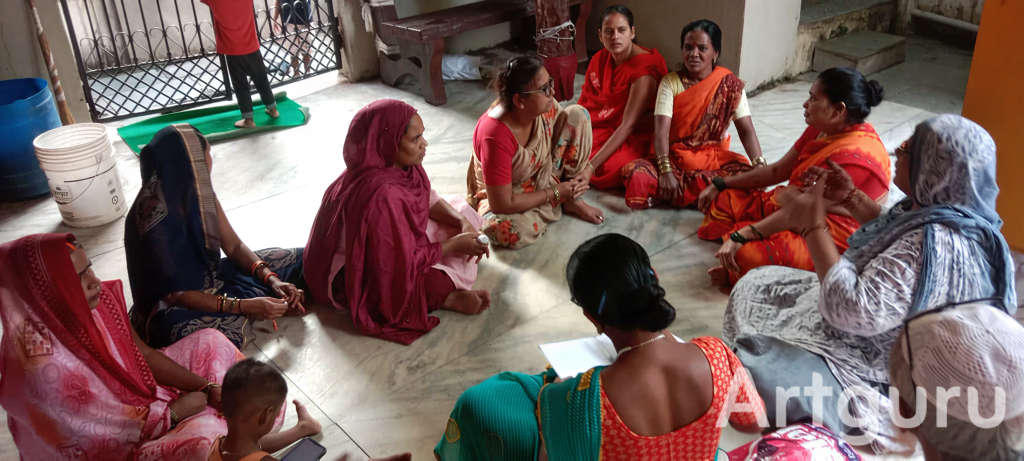
Developing local climate resilient housing resource centres in India and beyond
Lead organisation: Society for Promotion of Area Resource Centres (SPARC)
Country: India
Society for Promotion of Area Resource Centres (SPARC)
This initiative seeks financial and mentoring support to establish local climate-resilient housing resource centres in India and beyond. These centres will serve as hubs for innovation and learning, promoting resilient construction techniques and accessible financing models tailored to local needs and climate risks, ultimately strengthening housing security for climate-impacted urban communities.
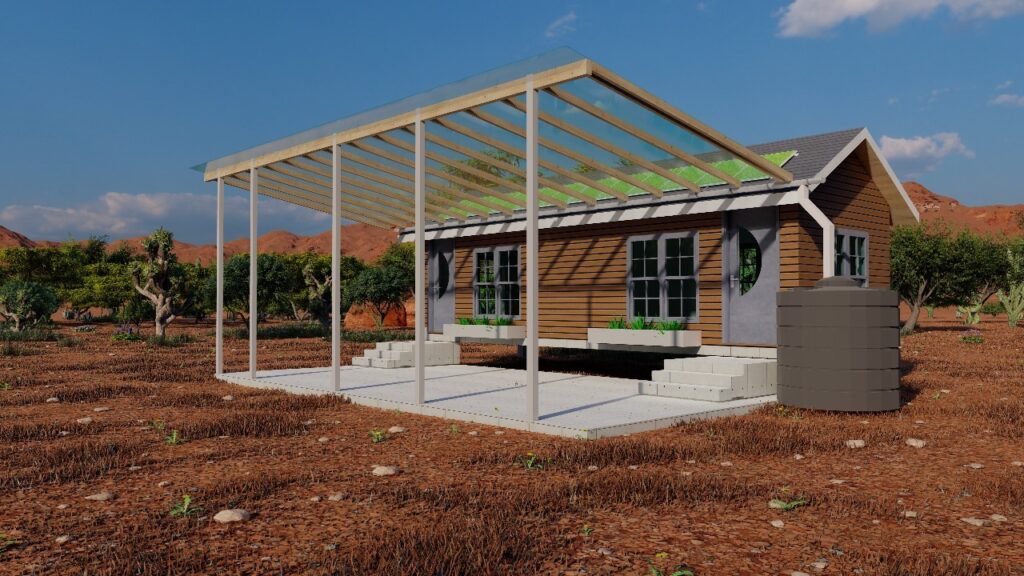
NEWA Somalia: Resilient Urban Retrofit Pods for Climate-Affected Communities
Lead organisation: Hiran Youth Organisation (HYO)
Country: Somalia
Hiran Youth Organisation (HYO)
NEWA Somalia is a youth-led project using modular, solar-powered pods to tackle climate challenges, water scarcity, and displacement in urban informal settlements. The pods feature solar air vents, rainwater harvesting, algae walls, and vocational training. Piloted in Mogadishu with 150 households, this initiative lowers indoor temperatures, improves water access, and creates employment opportunities. Built with local, sustainable materials, each pod cluster acts as a micro-resilience hub powered by shared solar grids. Through partnerships and innovative tech, NEWA empowers communities by combining housing solutions with skill-building and environmental regeneration.
AI-Powered Urban Disaster Alerts
Lead organisation: The Migrasia Center for Global Assistance Inc
Country: Philippines
Migrasia’s solution is an AI-powered disaster early warning and evacuation guidance system designed for internal migrant communities in the Philippines. By integrating real-time climate and hydrological data with community mapping, it forecasts floods and delivers hyperlocal alerts through trusted channels such as SMS, social media, radio, and chatbots, reaching even those without internet access. The system focuses on women and youth migrants, providing clear and practical evacuation guidance. Building on Migrasia’s AI and humanitarian expertise, the project strengthens community resilience by ensuring that migrant populations are informed, prepared, and protected from recurring climate disasters through timely, data-driven, and locally grounded early warning communication.