Center for Complex Systems in Transition (CST)

The Stellenbosch Centre for Complex Systems in Transition (CST) is a Stellenbosch University ‘flagship’ initiative established in 2015.

This initiative brings together complexity thinking, sustainability science and transdisciplinary research methodology.

Research at the CST is largely conducted in collaborative inter- and transdisciplinary teams that draw in expertise from different disciplines as well as from policy, practice and local stakeholders. Much of the research is funded by external project grants, and students are part of the larger project teams which provides additional opportunities for learning and research support.

CST has the following cross-cutting research themes:

  1. Governance
  2. Entrepreneurship & Innovation
  3. Social-Ecological Resilience
  4. Decoupling & Resource Flows
  5. Complexity & Systems Modelling
  6. Transdisciplinarity

These cross-cutting themes are applied to the following empirical research fields:

  • Food Systems
  • Water Systems
  • Energy Systems
  • Urban Systems

The centre is funded in part by Stellenbosch University, and in part by the National Research Foundation, plus project funding from a range of sources. The CST is located at the STIAS Wallenberg Centre in the Old Stables.
Latest news and articles

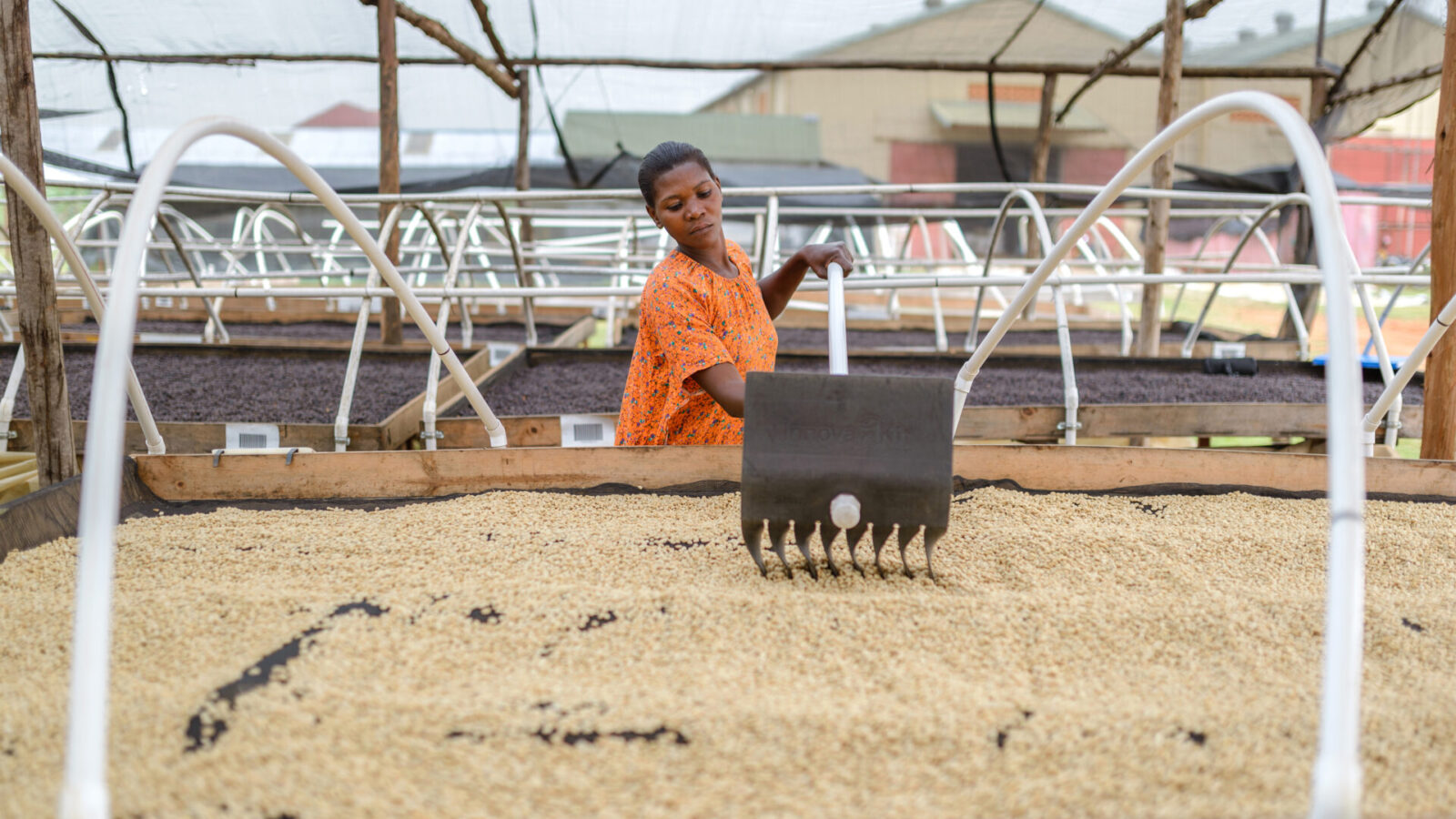
Mountain Harvest: An example of how enterprises can move beyond the “missing middle” in resilience finance

Discover how Mountain Harvest's journey as they moved beyond initial funding and advanced through different stages of enterprise development

Learning series bringing resilience science to infrastructure professionals

A new GRP and Bentley Systems learning series equips infrastructure professionals with essential resilience science knowledge and practical tools.

From pilots to scale: Bridging the missing middle in financing resilience innovation

Challenges and opportunities in financing the graduation from grant to institutional capital

Innovation Challenge finalists: Meet the initiatives driving change across 44 countries

From nature-positive agriculture to urban innovation and humanitarian technology, these finalists are developing practical solutions to some of the world’s most pressing challenges.

Help us map the landscape for AI-driven solutions for humanitarian preparedness and climate resilience

How do we fill gaps in AI for humanitarian preparedness and climate resilience? Let us know in this survey.