International Institute of Tropical Agriculture (IITA)

The International Institute of Tropical Agriculture (IITA) is a research organization focused on transforming African agriculture through innovation, sustainability, and climate resilience.

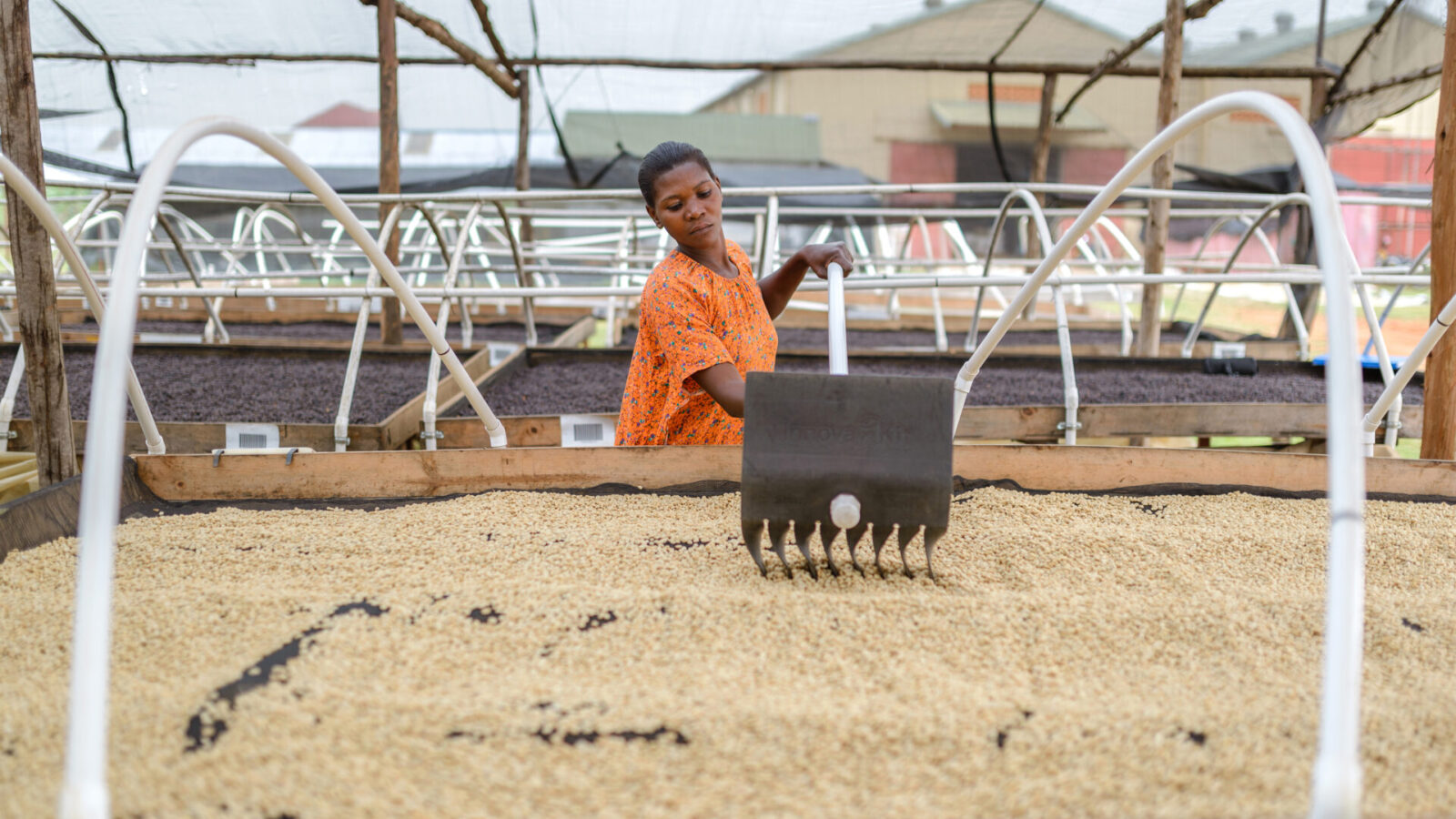
The International Institute of Tropical Agriculture (IITA) is a leading research organization dedicated to transforming African agriculture through innovative science and sustainable solutions. Focusing on food security, poverty reduction, and climate resilience, IITA works across the continent to develop high-yielding, climate-smart crops, improve soil health, and enhance agricultural value chains. Through partnerships, capacity building, and technology-driven solutions, IITA empowers farmers and communities to achieve sustainable livelihoods and resilient food systems.
Latest news and articles

“Resilience Science Must-Knows”: Landmark report shows how decision-makers can manage global crises

As the world approaches critical tipping points, a comprehensive global scientific report shows that resilience — the ability to live and develop with change and crises — must now be placed at the heart of global decision-making. The Resilience Science Must-Knows highlights nine insights to connect climate, biodiversity, and development goals, supporting societies to prepare for, respond to, and transform through change and crises.

GRP at COP30

Connect with the GRP team at COP30.

Announcing the finalists of the TECH4Resilience Challenge

Meet 15 innovators harnessing technology and AI to tackle the frontlines of climate risk.

Launch of the Climate Resilience Awards for Business- open until 18th October

WBCSD and GRP have launched the Climate Resilience Awards for Business to spotlight companies that advance climate resilience through innovative approaches, collaboration, and measurable impact across operations, supply chains, and communities.

Resilience for nature: Maasai community-led conservation in Kenya

A resilience roadtrip that offered a first-hand look at how traditional knowledge and local stewardship are not only preserving ecosystems but also revitalising rural economies and identities.