GRP, together with Shockwave Foundation and Munich Re Foundation, launched the Resilient Agriculture Innovations for Nature (RAIN) Challenge to convert seed level agricultural innovations meeting resilience needs in East Africa into sustainable business ideas. Since its launch, three rounds of the RAIN Challenge have supported 28 seed level initiatives, providing customised support to maximise each initiative’s potential for impact.
As RAIN projects have progressed, many initiatives have matured beyond proof of concept, demonstrating viable approaches, growing market or user demand, and relevance to broader agricultural systems transformation. However, the transition between an initial innovation or pilot phase and longer term sustainability, scale, or integration into systems represents a critical moment where targeted support can maximise impact. Promising initiatives often require additional time and resources to consolidate gains, refine delivery models, strengthen institutional capacity, generate evidence, or secure follow-on financing. Without such support, hard-won progress, learning, and momentum may stall.
In response to these insights, GRP, in partnership with Shockwave Foundation and Munich Re Foundation, provided a bridge funding opportunity to support selected projects sustain and build on their work during 2026. This funding is intended to provide a strategic bridge between the original RAIN award and future pathways for scale, influence, or longer term financing.
Learn more about the five previous RAIN winners selected for bridge funding:
Lead organisation: Equal Right
Initiative: A Basic Income for Nature and Climate in Laikipia County
Kenya
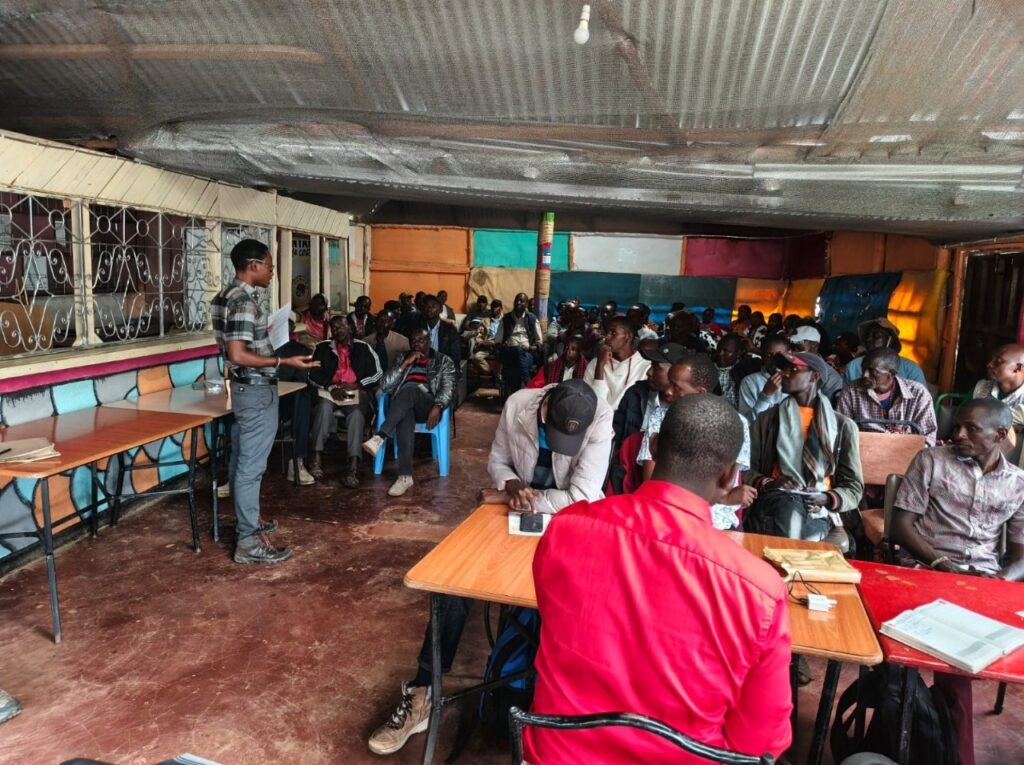
Equal Right
As a RAIN 3 winner, Equal Right launched the Climate Commons Fund in Laikipia, Kenya, pioneering a “cash for conservation” model that links unconditional cash transfers to ecosystem restoration. Building on its RAIN 3 efforts, Equal Right is piloting the first integration of unconditional cash transfers with a community owned conservation fund. Ten Il Ngwesi participants receive lump sum payments to invest in climate positive livelihoods such as agroecology and soil restoration. At the same time, a locally governed fund is established to generate returns and pay conservation dividends. By combining immediate financial support with long term investment, the model addresses poverty and ecological degradation while testing a scalable, community driven approach to sustainable conservation finance.
Lead organisation: Green Intelligence
Initiative: Smart Productive Forests
Kenya
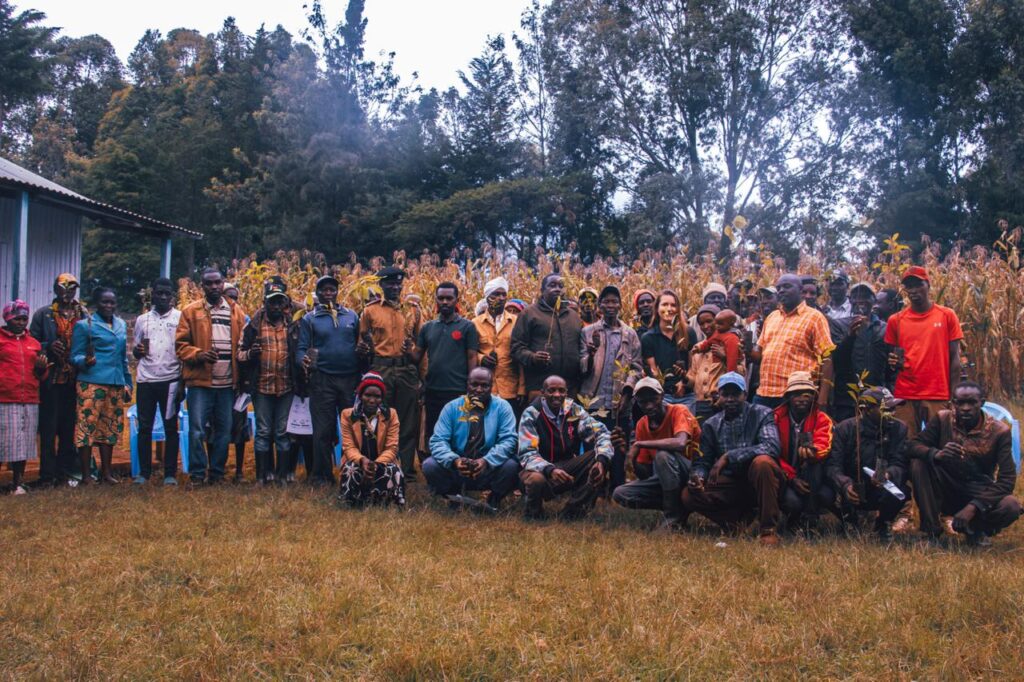
Green Intelligence
As a RAIN 3 winner, Green Intelligence demonstrated how agroforestry combined with digital tools can restore ecosystems while improving farmer incomes in Kenya. Through its mobile app, farmers document trees, access advisory services, and earn transparent rewards from carbon and premium markets. Building on this, the bridge funding will allow Green Intelligence to scale this proven model by enabling farmer driven traceability, direct payments, and expanded buyer partnerships. Aiming to support 6,300 people, it connects regenerative harvests to premium markets, strengthens livelihoods, and positions agroforestry as a competitive, nature-positive solution for climate resilience and sustainable value chains across East Africa.
Lead organisation: Inclusive Small Firms Africa
Initiative: Inclusive Small Firms Africa
Kenya
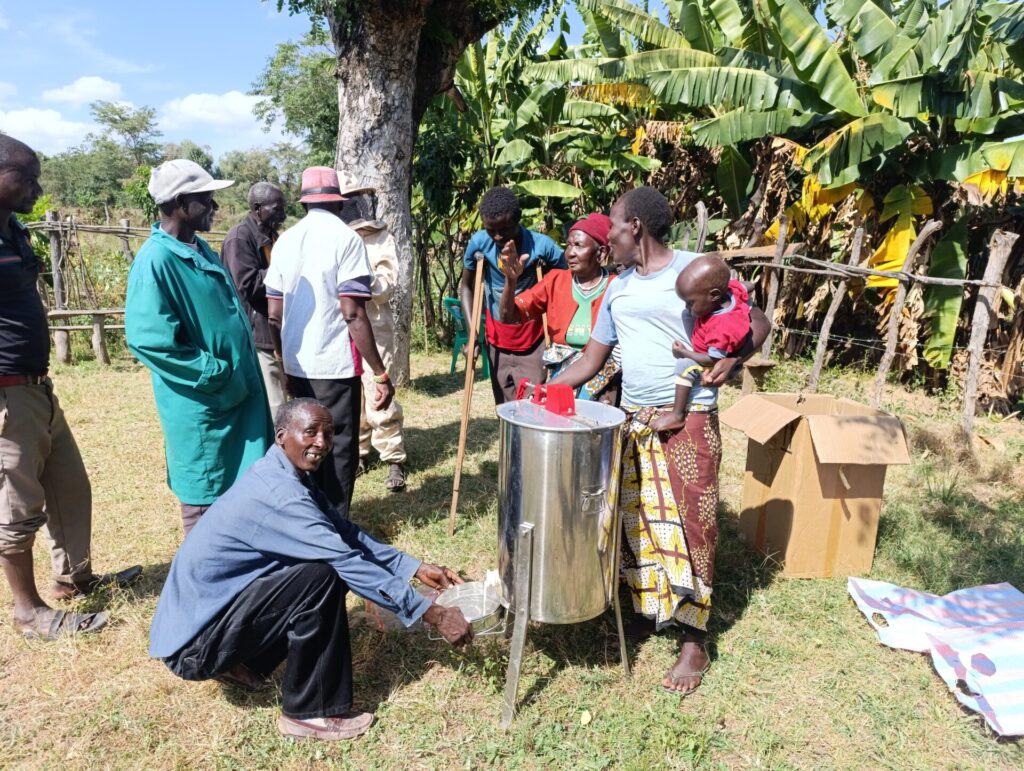
Inclusive Small Firms Africa
As a RAIN 2 initiative, Inclusive Small Firms Africa introduced an integrated model in West Pokot that combined Farmer Managed Natural Regeneration, pasture production, and beekeeping to restore degraded landscapes and strengthen livelihoods. Through training, cost sharing, and market linkages, communities began regenerating ecosystems while generating income from honey and agriculture. Bridge funding now supports the expansion of this approach to additional groups, introducing fruit and fodder trees, improved pasture systems, and water and soil conservation practices, demonstrating clear growth from pilot to scale while deepening community resilience, food security, and long term environmental restoration.
Lead organisation: AGRICORE
Initiative: RETFARMERS GL
Burundi
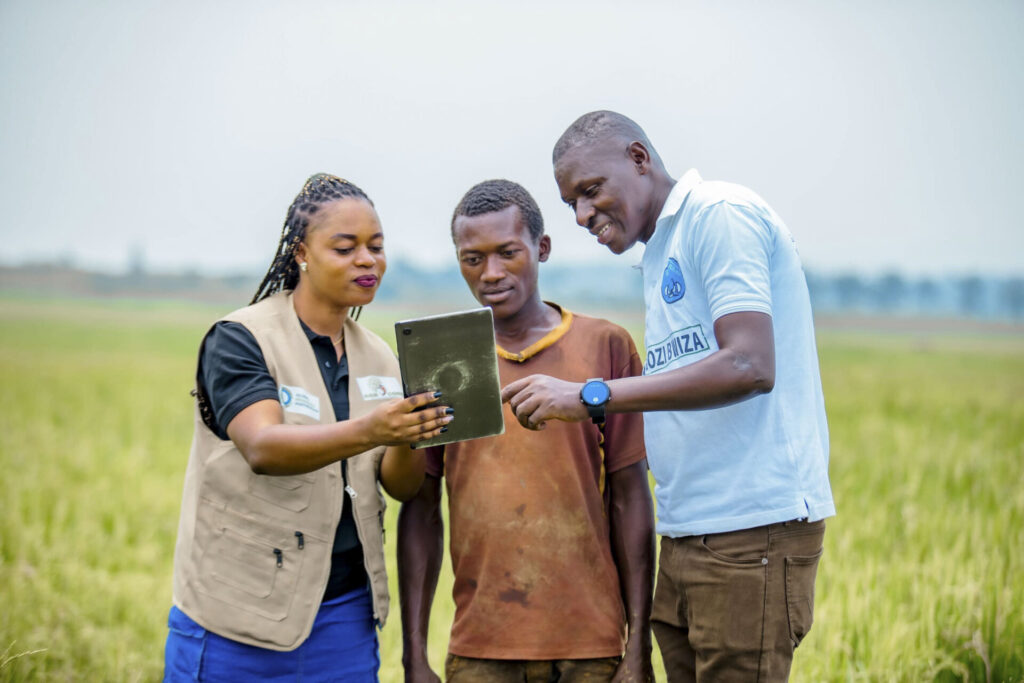
AGRICORE
RAIN 2 winner RETFARMER combined Farmer Field Schools with digital innovation to strengthen climate resilient agriculture across the Great Lakes region. This improved yields, reducing losses, and expanding market access for smallholder farmers. Building on this, the scale up of this approach incorporates an AI powered Virtual Agronomist, delivering real time, localised advisory services and training women Agri Leads. Aiming to support 1,000 farmers, the project demonstrates clear growth by expanding access to climate-smart agriculture, strengthening livelihoods, and advancing inclusive, technology-enabled resilience in most-impacted communities.
Lead organisation: Zowasel
Initiative: Zowasel Carbon and Biodiversity Program
Kenya and Tanzania
Zowasel
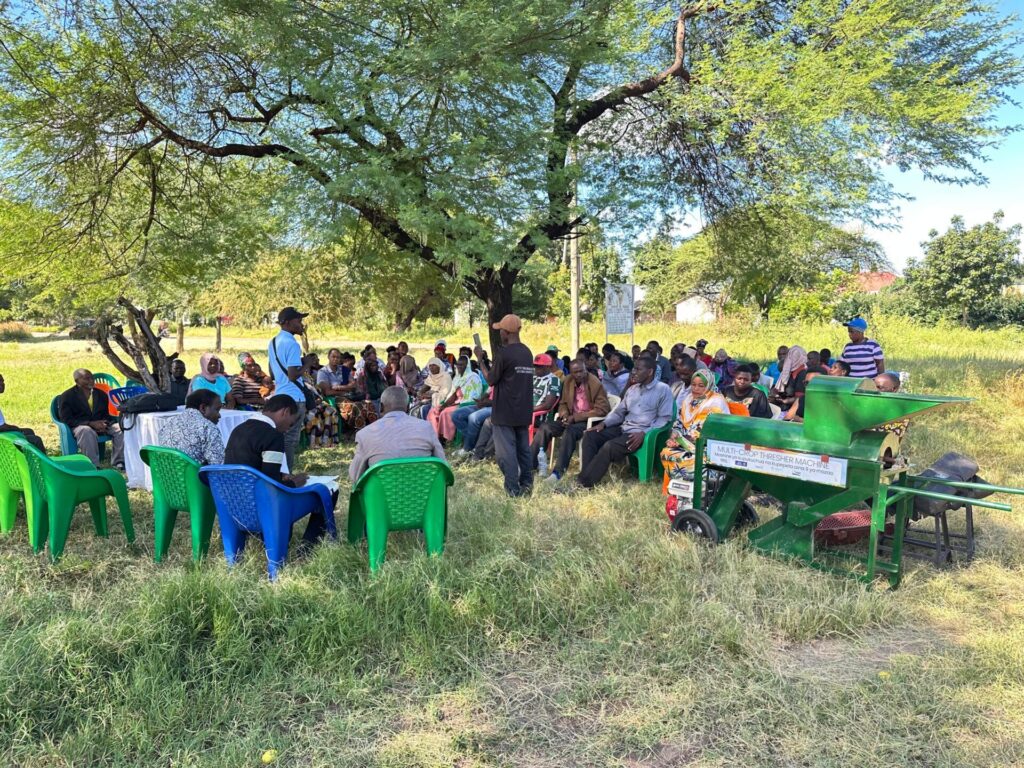
As a RAIN 2 initiative, Zowasel supported sorghum farmers in Tanzania to transition to regenerative agriculture using data driven tools, carbon incentives, and improved access to finance, creating more transparent and sustainable value chains. Bridge funding now accelerates this progress through the Crop Pilot “Regenerative Agriculture from Grain to Glass,” which expands to more farmers, cooperatives, and new crops such as barley. By integrating monitoring systems, market linkages, and alternative finance, the project strengthens farmer incomes, improves soil health, and demonstrates clear growth toward scalable, climate smart, and commercially viable regenerative agriculture systems across East Africa.