Low-carbon housing solutions replace carbon-intensive materials with energy-efficient alternatives that significantly cut CO₂ emissions and reduce air pollution.
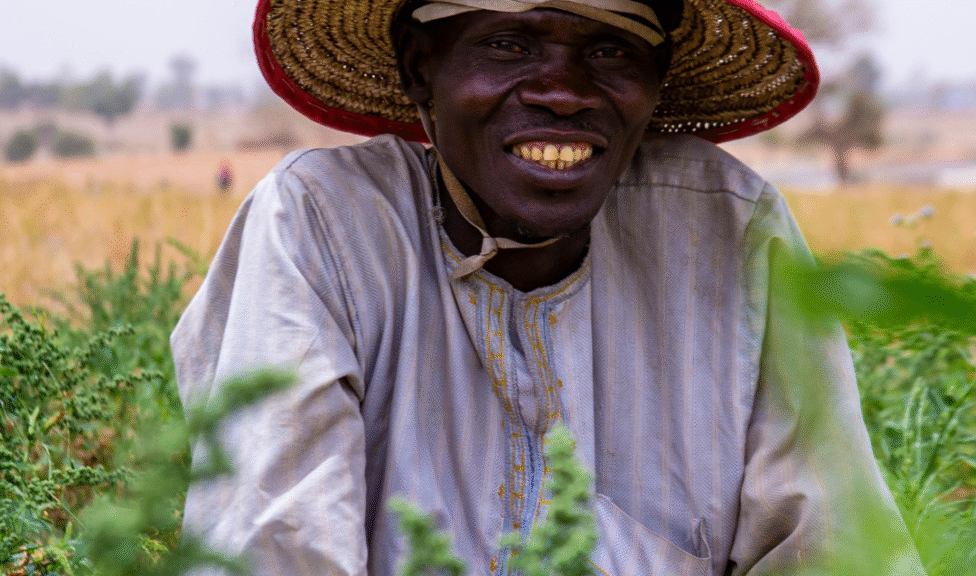
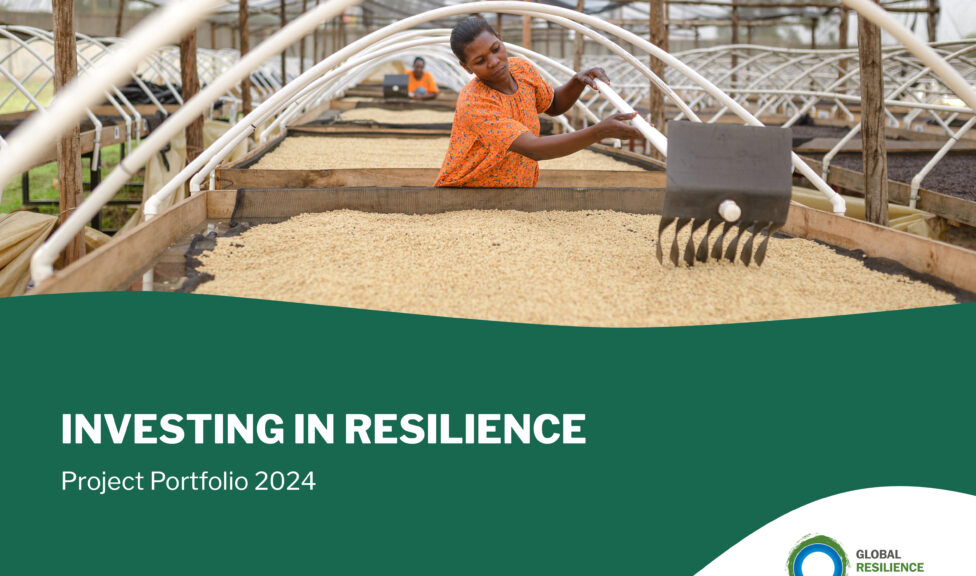
The Resilience for Peace and Stability, Food and Water Security Innovation Grant Programme was one of the nine winners of the GEF Challenge Fund. The project was implemented in Uganda by Mountain Harvest through Lutheran World Relief (LWR) and in Sudan by the Near East Foundation from 2022-2024.
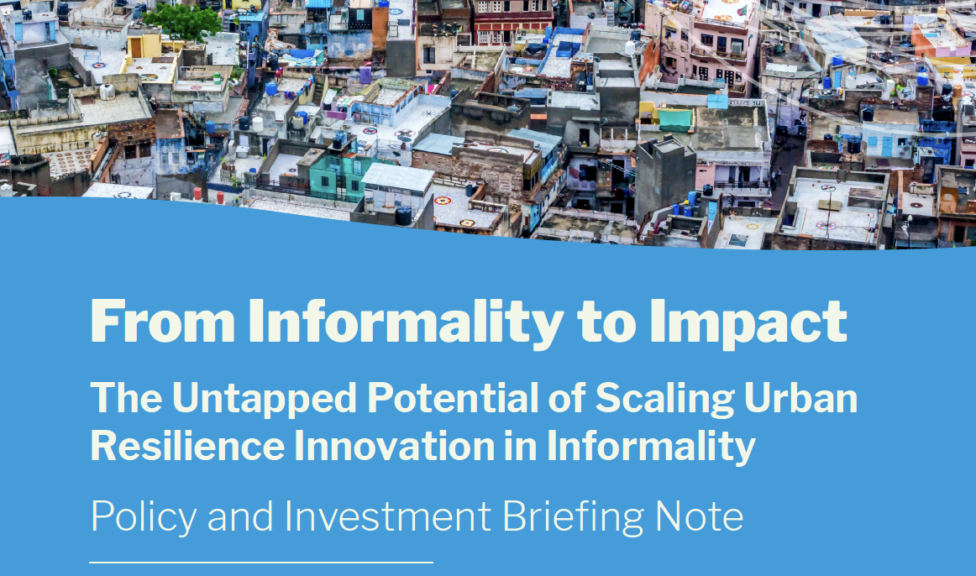
This study reviewed ~130 urban resilience solutions implemented by for-profit and not-for-profit organisations in cities in the Global South, with a focus on informal contexts. The research included a comprehensive literature review, in-depth qualitative interviews with funders and implementers, and a large-scale survey.
This publication by GRP Partner CARE highlights the importance of integrating blue foods into national climate strategies to support climate action and sustainability.
This guide provides a practical case study of what this sequencing looked like throughout CARE’s Locally-led Adaptation Pilot (LLAP) in Southern Zambia and provides insights on how practitioners can design adaptation planning processes from analysis to action. It also also thereby offers insight as to types of investments needed from donors and governments.
Between early 2022 – and early 2024, CARE conducted a Locally-led Adaptation Pilot (LLAP) in Southern Zambia, to implement the full cycle of adaptation planning from analysis to action with communities facing greater climate vulnerability due to increasing droughts, floods, and erratic rainfall patterns. This Brief describes this sequencing throughout the pilot, and provides key messages for how donors, policymakers, and adaptation practitioners can better design and support effective and equitable adaptation.
The Sharm El-Sheikh Adaptation Agenda (SAA) offers near-term solutions for resilience, addressing global challenges, with transformative opportunities highlighted in this implementation report.
We use traffic log cookies to identify which pages are being used on our website (www.globalresiliencepartnership.org). Cookies help us provide you with a better website, by enabling us to monitor which pages you find useful and which you do not. A cookie in no way gives us access to your computer or any information about you, other than the data you choose to share with us.