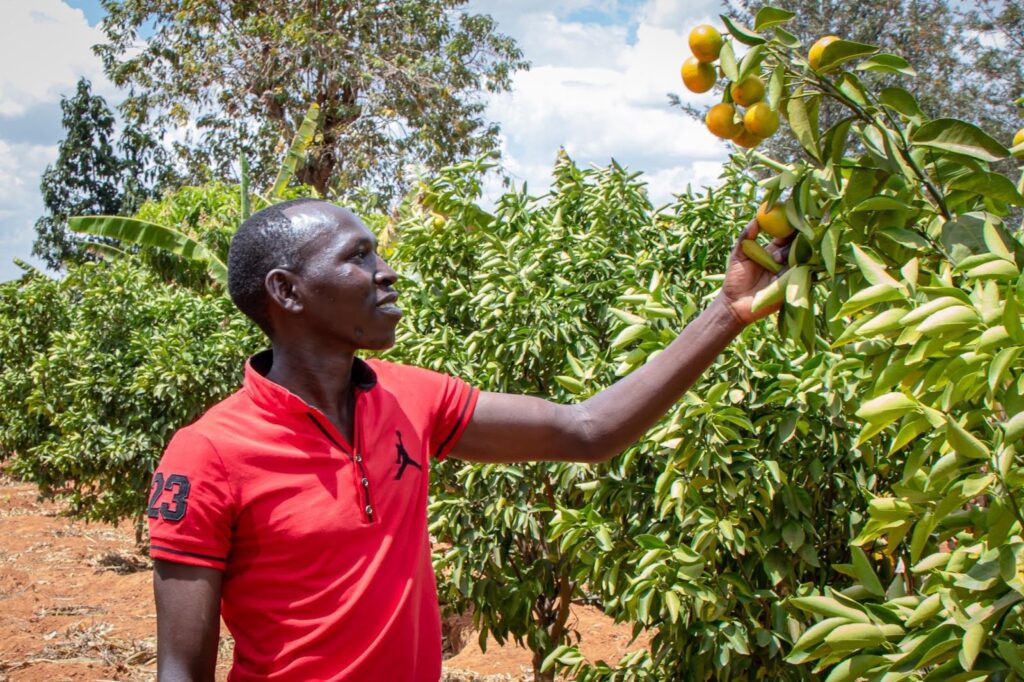
Over the past three years, the Resilient Agriculture Innovations for Nature (RAIN) Challenge, in collaboration with Shockwave Foundation and Munich Re Foundation, has supported East African innovators to turn early-stage, nature-positive agricultural ideas into viable, investment-ready solutions that strengthen agricultural systems and advance climate resilience in their communities. The challenge focuses on supporting seed-level innovations to grow into sustainable, scalable businesses.
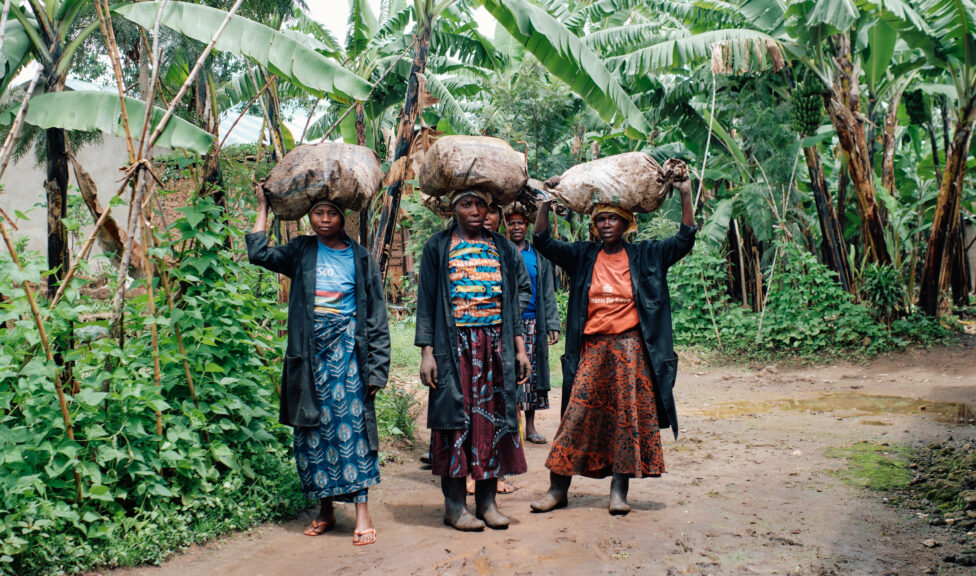
RAIN initiatives span a wide range of approaches, from equipping small-scale farmers with regenerative agriculture training and digital tools to track carbon emissions, to using AI to detect nutrient deficiencies in plants and predict high-risk weather events, and even turning to theatre and the arts to engage communities and promote sustainable practices. Each initiative is rooted in local realities, shaping solutions around community needs and keeping people at the centre from conception through implementation. Many prioritise empowering women and engaging young people, ensuring those most affected by climate shocks are actively involved in building these solutions.
Tracy Keza
From selection to scale
RAIN 1, RAIN 2, and RAIN 3 ran open calls throughout East Africa, followed by shortlisting and final selections. Winners then took part in six to twelve months of tailored mentoring to help scale their initiatives. As part of this journey, they attended a Leadership Academy to grow into their roles with greater confidence and clarity, and connected with potential investors and donors to build relationships that could move their work forward.
Their initiatives were showcased on global stages, including Climate Week NYC, Africa Climate Week, and UN Climate Conferences (COP), giving them greater visibility and the opportunity to share their work with wider audiences. Initiatives also received up to US $20K in funding and became part of the GRP ecosystem, gaining ongoing support, opportunities to amplify their work, and access to a global community of partners working together to advance climate resilience.
Reflecting on lessons learned
GRP asked RAIN winners to reflect on their experiences so far and capture the lessons that shaped their journeys. The takeaways below draw on the experiences of several winners and offer a grounded perspective on what it really takes to make solutions work in practice.
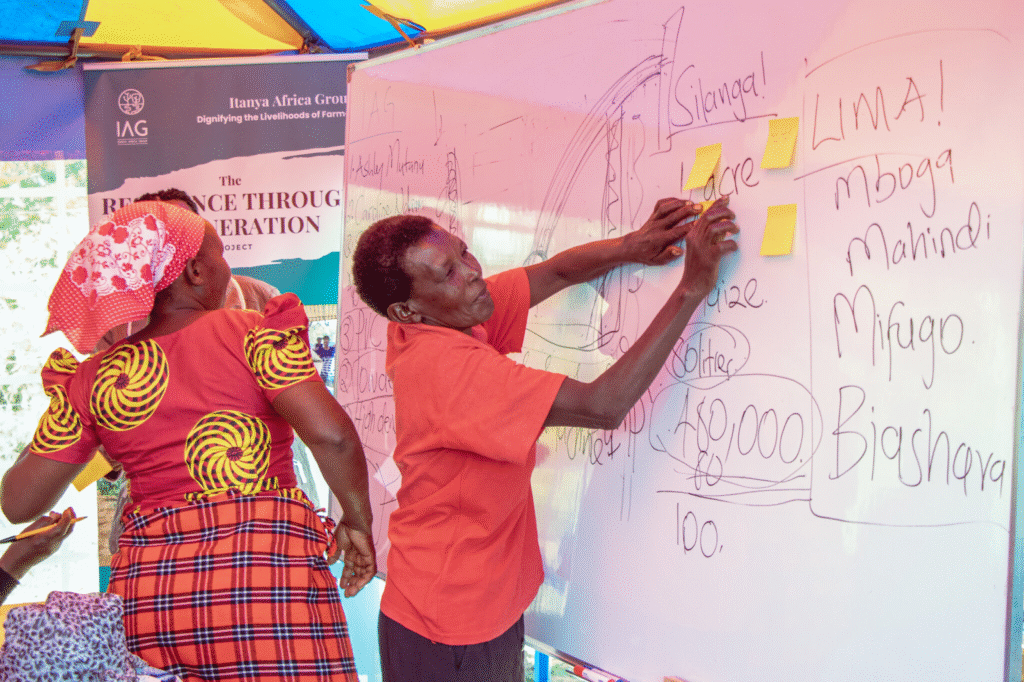
“Our most significant learning was that true resilience begins with localised ownership of solutions. By training women and youth smallholder farmers in regenerative agriculture and water-smart practices such as composting, vertical gardening, and water pan management, communities can quickly turn knowledge into action when solutions are practical, affordable, and culturally grounded. The combination of hands-on learning and continuous field support fosters confidence and long-term adoption, proving that capacity building is most effective when rooted in local realities and languages.”
– Ashley Mutiso, Co-founder and Strategy and Partnerships Lead, Itanya Africa Group – Resilience through Regeneration, Kenya
Eugene Kaiga
“Our most significant learning is that smallholder farmers’ market access fundamentally depends on an integrated support system; training alone isn’t enough. Farmers need simultaneous access to sustainable agricultural practices, regenerative inputs, certified seeds, affordable certification like KilimoHai, finance and insurance options, embedded in digital platforms that they already use, such as WhatsApp.
-Minnie Wanjiku, Director of Programme Management, Shambabetter, – Harvesting Prosperity: Empowering Smallholders and Elevating Incomes through a Climate-Smart Marketplace, Kenya
“The most significant learning from the CAFAESUP project is that smallholder farmers, when equipped with data-driven tools, regenerative agriculture training, and incentives through carbon financing, can rapidly transform into key drivers of climate action. Their strong willingness to adopt low-emission, soil-regenerating practices exceeded expectations.”
– Hamis Said Hincha, CAFAESUP Project Lead, Food Security for Peace and Nutrition Africa (FSPN Africa) – Carbon Farming for Agricultural and Environmental Sustainability and Profitability (CAFAESUP), Kenya/Tanzania
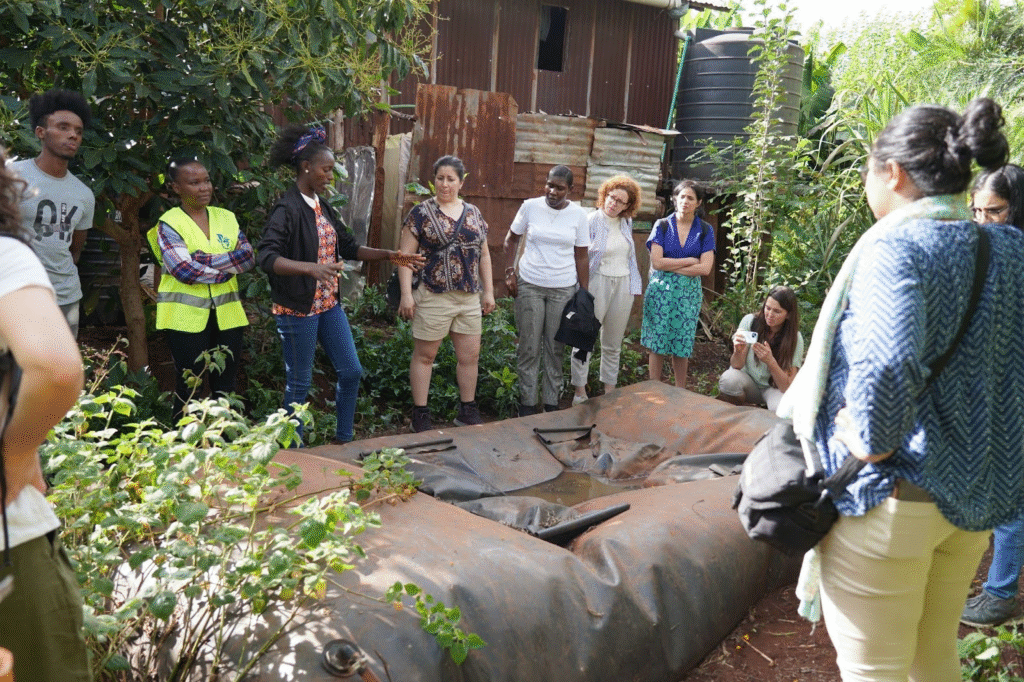
“We learned that a resilient food system isn’t built by a single organisation, but woven together by a community of trust. Our success comes from the partnerships we’ve nurtured: (1) Farmers trust us to be a partner in strengthening their harvests and livelihoods. (2) The Agricultural Office trusts us to tackle tough environmental problems, like repurposing dairy and poultry waste. (3) Local Suppliers trust us to responsibly transform organic waste from a burden into a benefit for all.”
–Ghionawit Gebru, Co-founder and COO, Organic Fertiliser Production, Green Ethiopia, Ethiopia
“The most significant learning from the project has been the critical significance of building an integrated business model that links suppliers such as waste collectors, processing efficiency, and farmer awareness. While it is essential to produce high-quality organic inputs and introduce new and sustainable products in the market, it is equally important to build farmers’ knowledge and confidence in using these products to improve soil health and yields and provide them with the best tools and solutions to achieve better harvests using less resources. “
– Ritchie Raphael, Co-founder, Africa Harvest Enterprises – Africa Eco-Soil Project, Tanzania
What’s next for RAIN?
RAIN winners are a testament to what it looks like for locally-led, locally-focused and context-specific solutions look like in practice. It has been incredible to witness these initiatives grow, scale, increase their reach, and creatively and holistically touch the lives of community members with care, consideration and respect.
This is only the beginning, as previous RAIN grantees will have the opportunity to continue to scale their work with GRP through the RAIN Bridge fund that was open in February for applications and implementing from April 2026- December 2026. Plans for RAIN 4 are also underway and will be launched in April 2026.
Uzani Studios, Zola Madaga, kilimore 4cus